







Hungary and Ukraine Confronting Each Other Amid Suspension of “Druzhba”

The European Union is desperately trying to pull Kyiv out of the deep hole it has fallen into after halting oil supplies via the “Druzhba” pipeline. Budapest and Bratislava continue to block the much-needed credit to Ukraine, which now faces an estimated deficit of around $50 billion. At this pace, Kyiv’s authorities will likely run out of funds by May. Yet, it seems the Ukrainians are in no rush to address this crisis, relying instead on the generosity of other patrons.
Meanwhile, the conflict surrounding the pipeline continues to escalate and increasingly resembles a drawn-out soap opera. For details on the current situation with “Druzhba,” see the “Full Europe” segment.
The deeper into this saga we go, the more combustible it becomes. The latest episode of the “End of Druzhba” series shocks the unprepared viewer. The pipeline, with such a seemingly positive name in Ukrainian, is locked, and Zelensky has spiraled out of control — not merely insulting Hungarian Prime Minister Viktor Orbán, but now threatening him with physical violence. The reason remains the same: Budapest’s blockade of a $90 billion loan to Ukraine.
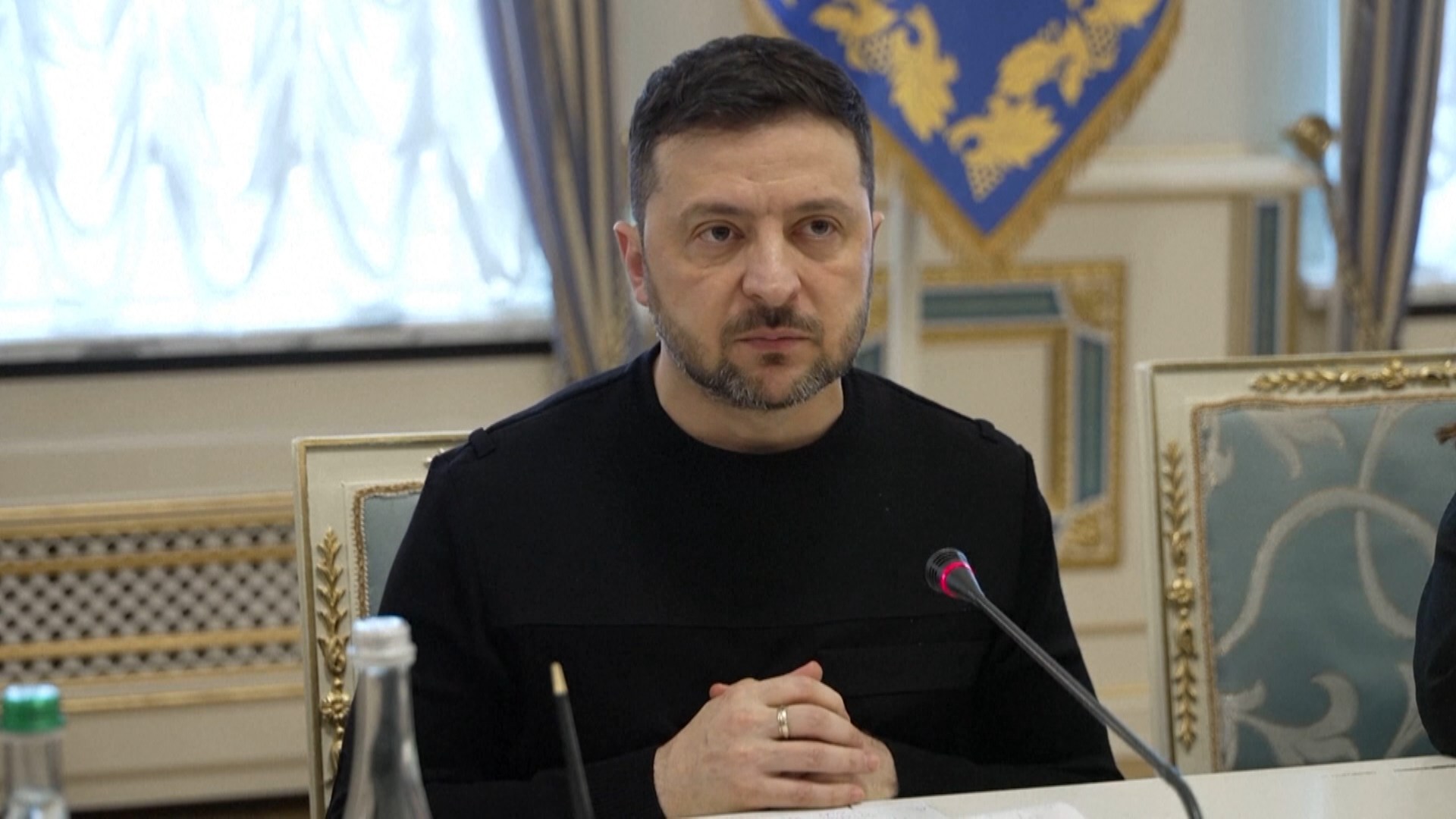
Vladimir Zelensky:
“We hope that one person in the European Union won’t block the $90 billion or the first tranche, and that our soldiers will have weapons. Otherwise, we will give the address of that person to our armed forces — let our guys call him and speak in their language.”
If there are red lines in European politics, this was it. Threatening the head of an EU member state isn’t just crossing a line — it’s an act of outright audacity. Remarkably, Zelensky’s outburst did not lead to any sanctions or even a mention of NATO’s Article 5.
Of course, theoretically, an attack on Orbán could be considered an act of aggression against Hungary, invoking collective defense obligations under NATO. But that’s just idle speculation.
In reality, what Zelensky’s regime faced was merely condemnation from the European Commission and some MEPs — with no consequences.
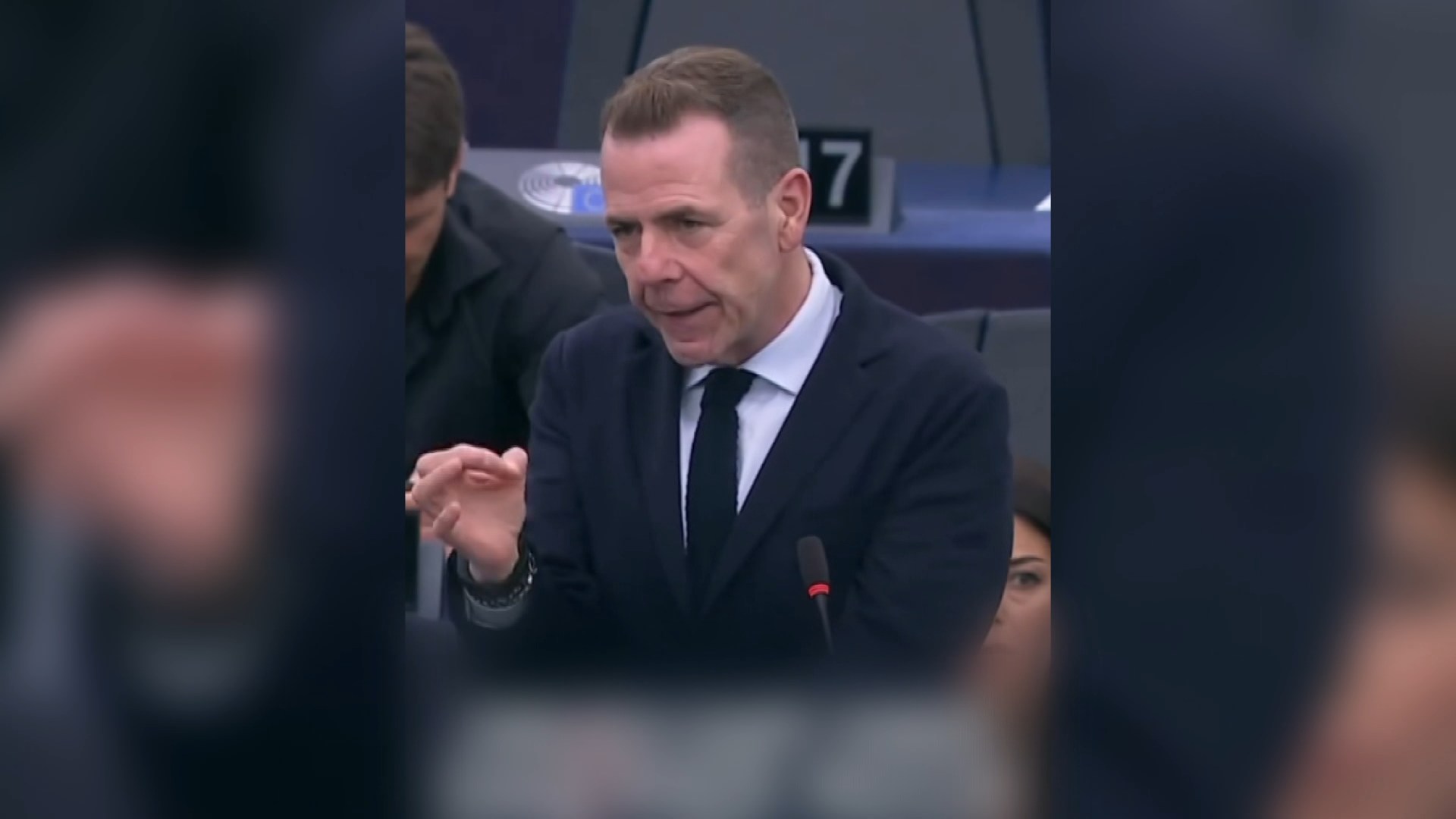
Harald Vilimski, Member of the European Parliament from Austria:
“A few days ago, Zelensky unacceptably threatened Prime Minister Orbán — threatening his life and safety, and inciting violence. We must discuss this issue and stand for the protection of the head of state of the European Union. Stand for Viktor Orbán and the Hungarian people. We need to demonstrate that we support the rule of law, democracy, and oppose violence.”
Surprisingly, Zelensky managed to turn even a staunch pro-Ukrainian rival of Orbán, Prime Minister Peter Mádyar, against him.
Rumors suggest that all the recent turmoil surrounding Hungary is part of a strategy to bring Mádyar to power. It’s believed that the ongoing fuel and energy crisis will persuade the Hungarian electorate to seek a different course, effectively pushing the real heavyweight of European politics into retirement.
Mádyar has explicitly demanded that Zelensky clarify and retract his threatening words. The Hungarian public is also outraged.
Hungarian Resident:
“Zelensky is an idiot and a fool! Who allowed his people to bleed? Men will be lost in Ukraine! He’s gathering his soldiers with paramilitary groups,” said one Hungarian citizen.
Another added: “This is an insult to the Hungarian nation! Threatening our prime minister! I’m not a supporter of Orbán, but I won’t tolerate this! Zelensky has no right to stay in power — elections should have happened long ago!”
However, Orbán doesn’t need defenders: the more he’s blackmailed, the stronger he becomes. Moreover, according to the Hungarian leader, Ukraine’s money will run out before Budapest’s oil supplies do.
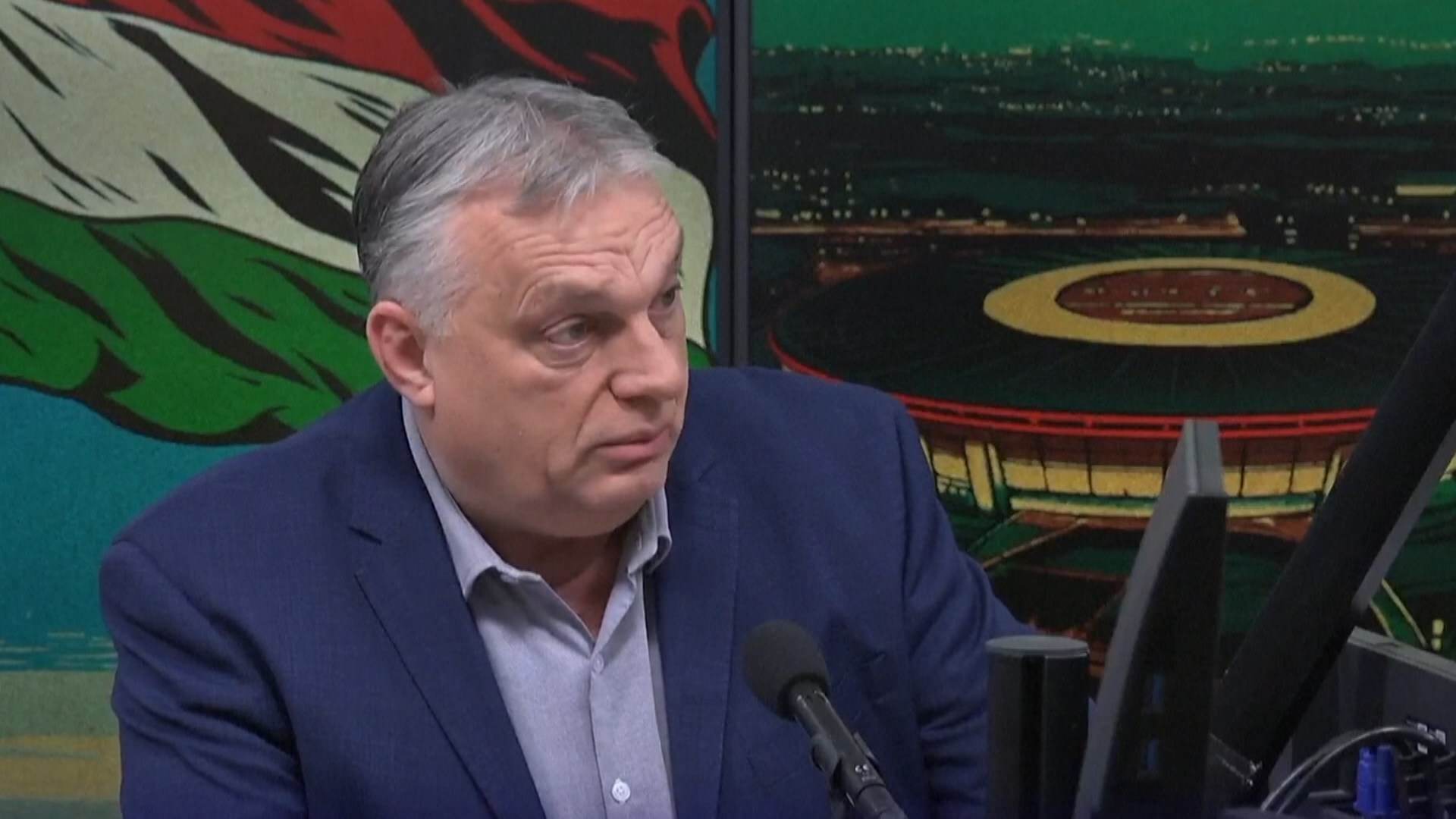
Viktor Orbán:
“We will not yield to blackmail or threats. We will not support Ukraine in its war — this is not our fight! We will not give money to Kyiv, which they are successfully extorting from other EU countries. We won’t pay, and we won’t let Ukraine join the European Union,” he declared.
To accelerate Ukraine’s de-dollarization, Hungarian authorities unexpectedly detained two armored trucks belonging to Ukrainian Oschadbank, carrying $40 million, €35 million, and around 9 kilograms of gold from Austria. It was a clear move — a game changer.
The Kyiv regime erupted in outrage: hostages, theft, calls for global condemnation. But it was later revealed that the detention was part of a money-laundering investigation — authorities had simply been waiting for the right moment or a “green light” from above.
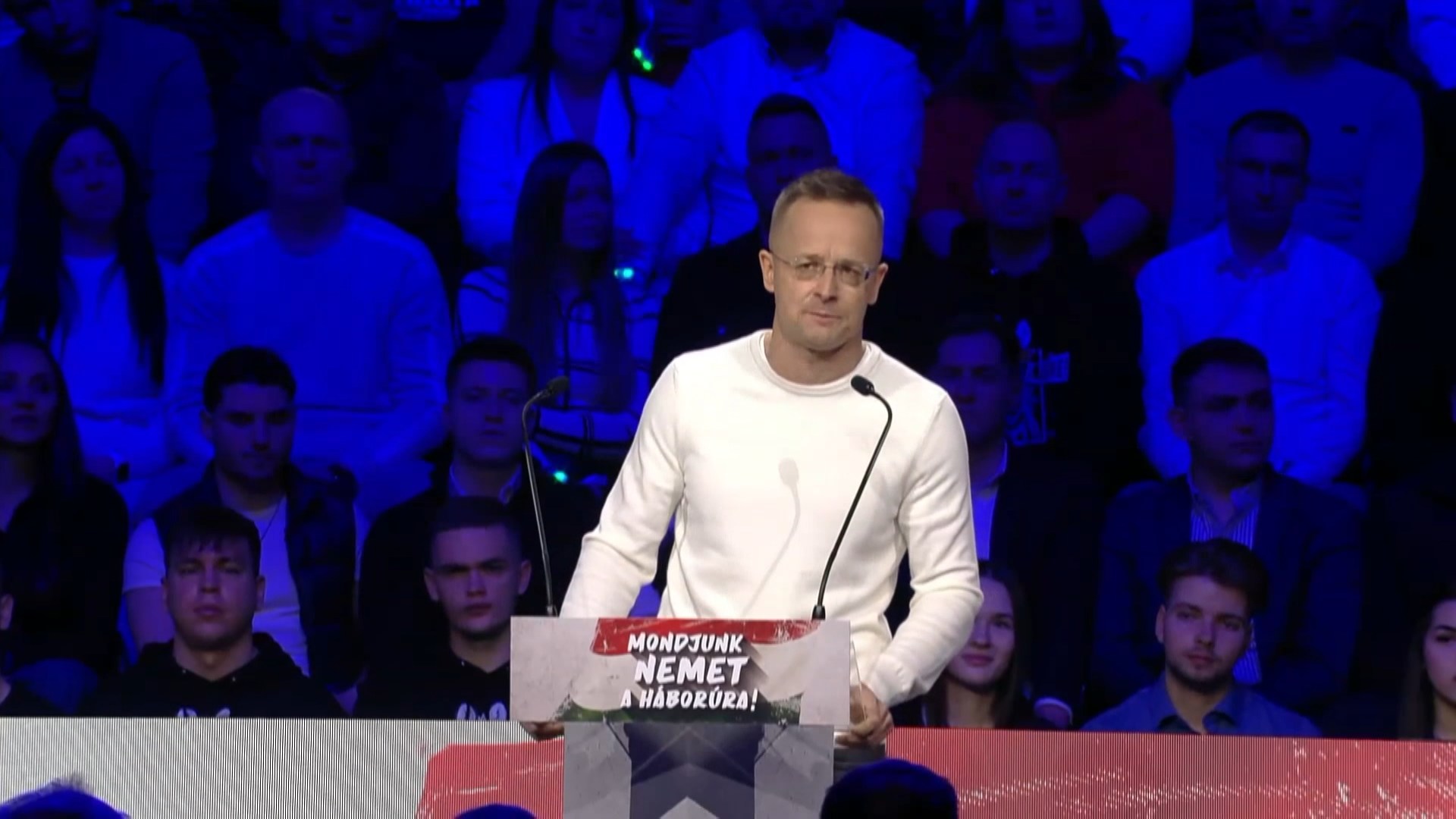
Péter Szijjártó, Hungary’s Foreign Minister and Trade Representative:
“Hungarians need an explanation as to why this money was passing through Hungary. We’re talking about $900 million, €420 million in cash, and 146 kilograms of gold. It’s unlikely these are funds of the Ukrainian military mafia, but if they are not, they must clarify this. They need to confirm whether this money was simply passing through Hungary or if it was intended for some purpose within our country.”
As usual, Slovakia joined the fray. Prime Minister Robert Fico expressed readiness to follow Hungary’s lead and block the credit to Ukraine. But after a meeting with EU Commission President Ursula von der Leyen, Fico delivered even more positive news: the EU finally agreed that the transit of “Druzhba” must be restored as soon as possible.
If this isn’t just another trick, it might be a consequence of the energy crisis that has snuck up on Brussels — thanks, as usual, to the Middle East.
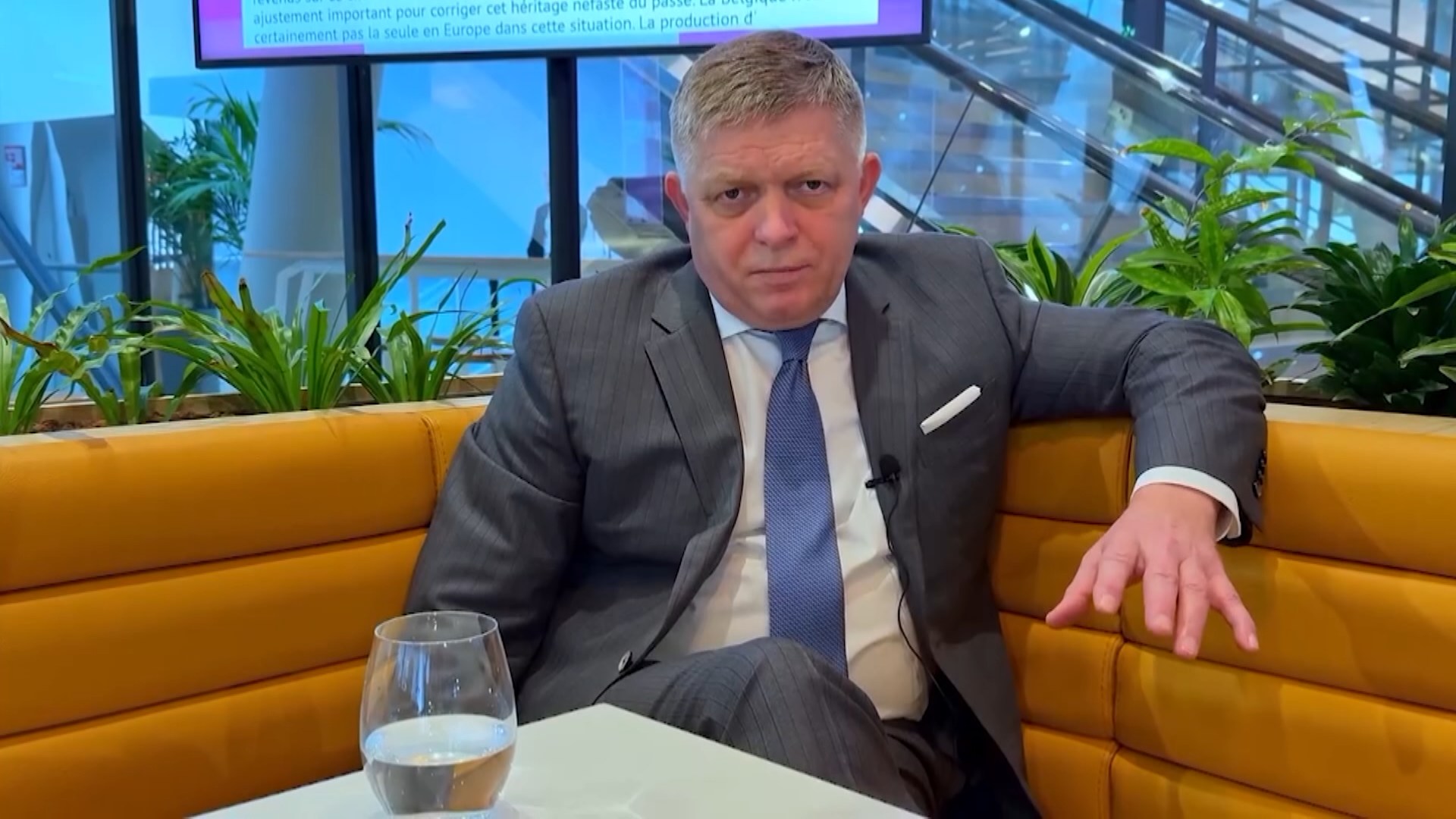
Fico stated:
“We share the same position on this issue. Slovakia has the right to receive Russian oil — not only via the ‘Druzhba’ pipeline but also by sea,” he said. “I showed the Commission president satellite images confirming that the pipeline in Ukraine is undamaged, and that Zelensky’s unilateral decision to halt supplies is deliberate, aimed at harming us — just as with gas supplies.”
A perfect ending would be a happy one: good triumphs over evil, wrongdoers are punished. But life isn’t a fairy tale. Even with the “Druzhba” pipeline reopening, the situation in Hungary and for Orbán will remain tense, especially with elections on the horizon.
The recent upheavals, fueled by Kyiv and Brussels, give the opposition a real shot at victory. If a pro-Ukrainian Mádyar comes to power, the European “Mordor” may face less internal resistance. Slovakia alone probably won’t hold out, and neither will the Czech Republic.
As a result, money and weapons will flow back into Ukraine — and war inciters will continue fueling Russophobia and fear, all while draining the pockets of their loyal followers.