3.84 BYN
2.80 BYN
3.26 BYN



NATO's Eastern Flank Needs Underground Oil Pipelines
Text by:Editorial office news.by
news.byhttps://s3-minsk.becloud.by/media-assets/news-by/383e86f7-5377-436e-9582-97fc225d670c/conversions/e8f67a69-76ab-4050-b310-d99537e3de16-sm-___webp_480.webp 480w, https://s3-minsk.becloud.by/media-assets/news-by/383e86f7-5377-436e-9582-97fc225d670c/conversions/e8f67a69-76ab-4050-b310-d99537e3de16-md-___webp_768.webp 768w, https://s3-minsk.becloud.by/media-assets/news-by/383e86f7-5377-436e-9582-97fc225d670c/conversions/e8f67a69-76ab-4050-b310-d99537e3de16-lg-___webp_1280.webp 1280w, https://s3-minsk.becloud.by/media-assets/news-by/383e86f7-5377-436e-9582-97fc225d670c/conversions/e8f67a69-76ab-4050-b310-d99537e3de16-xl-___webp_1920.webp 1920w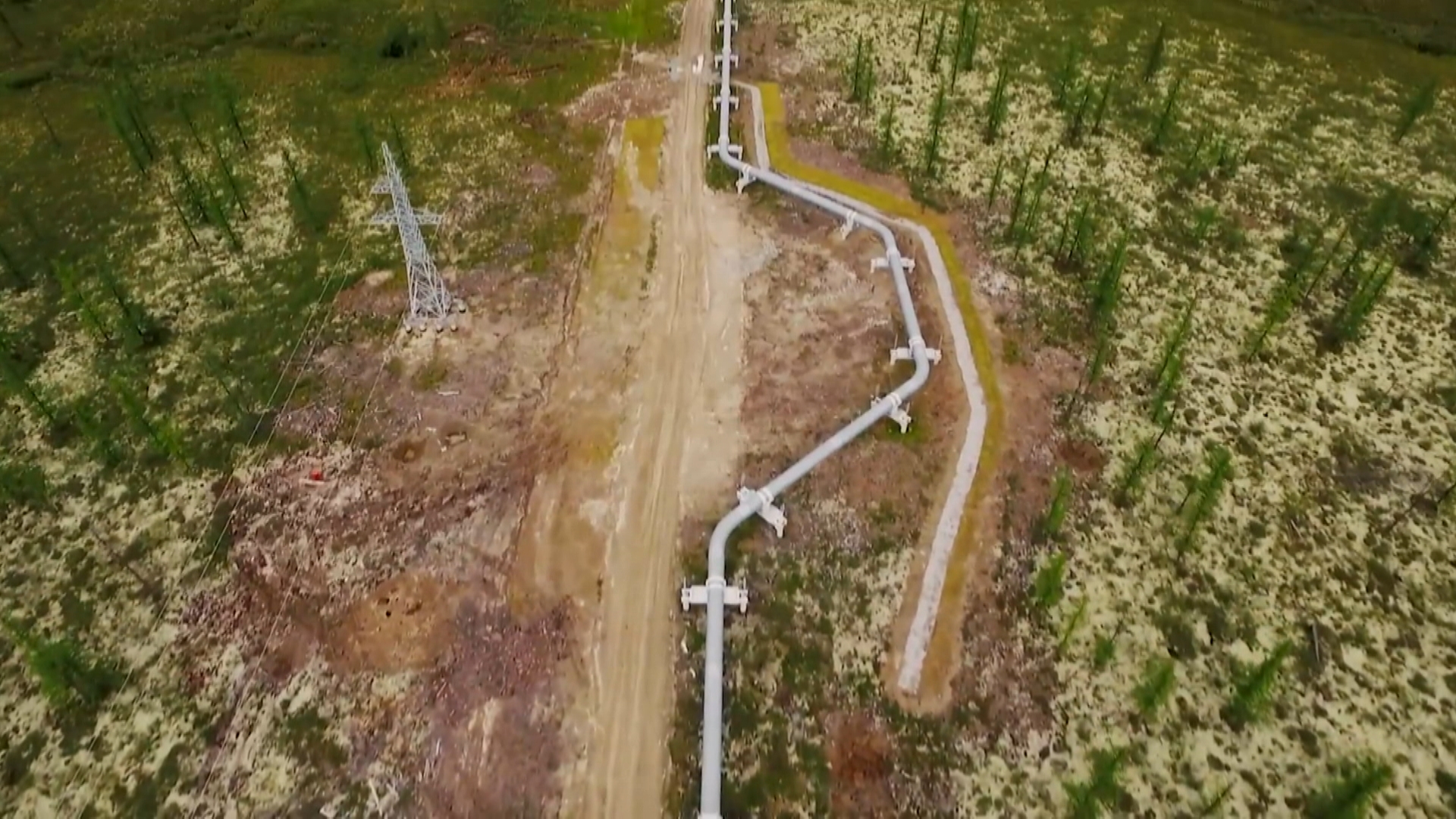
NATO's eastern flank member states have once again called for expanding the Cold War-era underground pipeline network in the event of a military conflict.
According to media reports, Eastern European countries consider the existing fuel supply system insufficient. Currently, the alliance's approximately 10,000-kilometer pipeline network spans 12 countries, but effectively ends in Germany and does not extend further east. Poland and Romania, in particular, are seeking access to the system.
According to preliminary estimates, a full expansion of the pipeline network to the eastern flank could cost approximately €21 billion and take up to 25 years.