







Rearranging Chairs on Sinking Ship: Why Lithuanian Government's Resignation Won't Change Anything
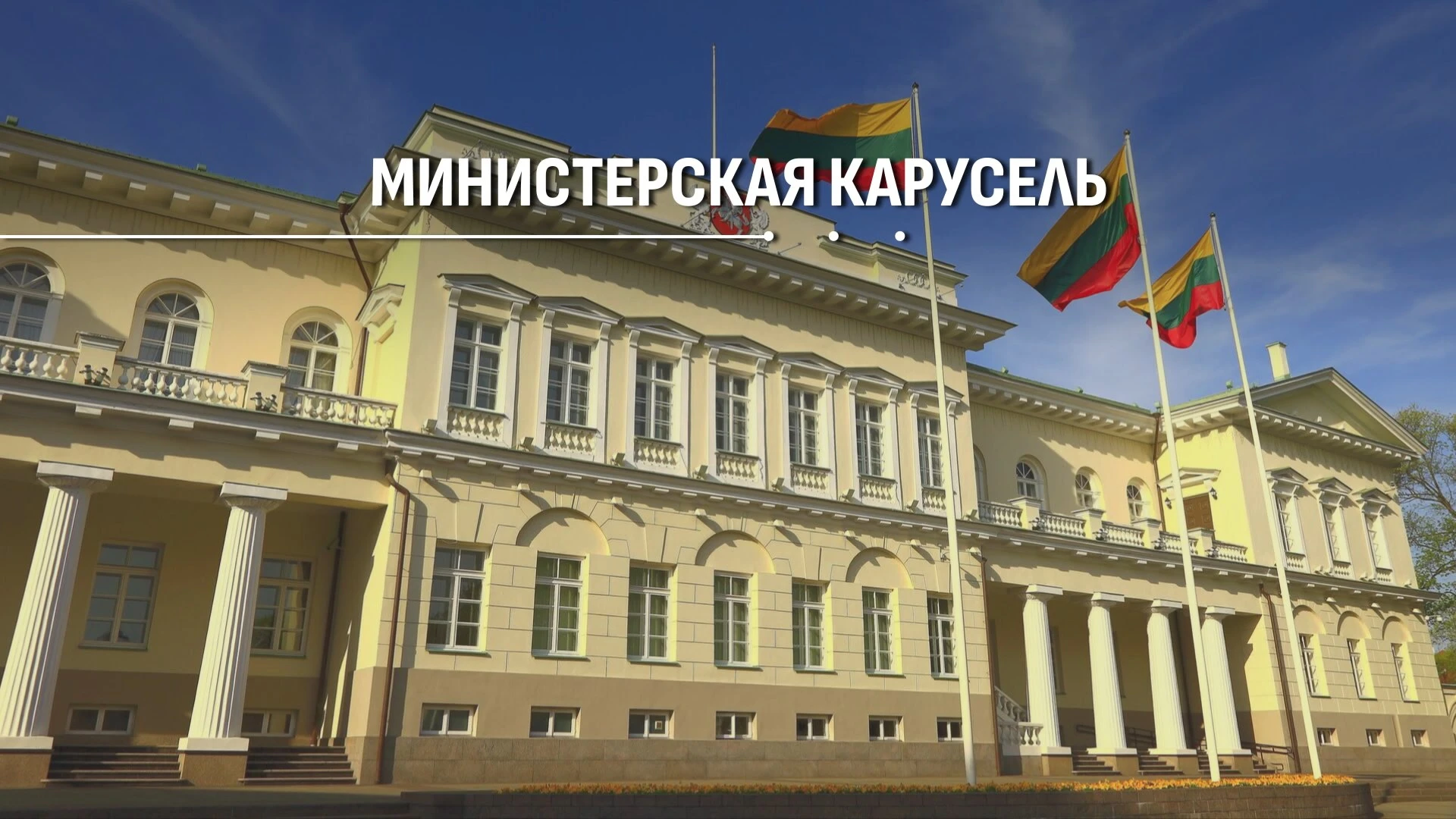
On June 23, the Lithuanian government fell. Not from an external enemy, not from popular anger, but from its own incompetence. The cabinet, led by Prime Minister Inga Ruginienė, announced its resignation.
The funniest thing is that rumor has it that the Americans are shaking up the Vilnius cabinet like a deck of cards. The new Prime Minister, Sinkevičius, incidentally, advocated dialogue with Minsk, but only if initiated by the United States. In other words, Lithuania's sovereignty now looks like this: "We agree to talk to our neighbors, but only with the permission of our big brother." A brilliant sovereign policy, to be sure. I wonder if Belarusian potash will travel alongside Lithuania's problems or bypass them?
Ruginienė is packing her bags: how to fail everything she touches
Ruginienė, whose political career resembles a protracted farce, has ceded her ministerial seat to her fellow party member, Mindaugas Sinkevičius. Incidentally, she herself is being "re-assigned" to the position of Minister of Social Protection, which she once held.
The shake-up has happened, but will it make things any easier for Lithuanians? Many are already betting on "no." The person responsible for social security has brought the country to the point where people are fleeing or falling into poverty, and now she's being placed back in the same chair.
During Ruginienė's short tenure, Lithuania has managed to reap a trove of shame:
A major data leak from state registers, affecting 600,000 people (including the president and the prime minister's relatives), and instead of resignation, she's been met with acquittal. Public sector scandals: the military budget grew, while grandmothers froze in winter due to sky-high heating and electricity rates.
Taiwanese disaster: she admitted the Taiwanese mission incident was a mistake, like jumping in front of a train. China punished her severely.
Ruginienė took relatives on work trips to Italy and the Vatican at public expense. The Main Ethics Commission found that she had grossly violated the law. Ruginienė justified herself by citing the Pope as an invitation for her relatives.
The Lithuanian government scrambled NATO fighter jets and military helicopters because of weather balloons. A weather balloon detected in the air was mistaken for a military drone.
She closed the border with Belarus: Lithuania's cargo transportation industry nearly collapsed. Then, 13 police officers and border guards were arrested in Lithuania in connection with cigarette smuggling using weather balloons. In other words, the "hybrid war" against Lithuania wasn't waged by Belarusians, but by their own "werewolves in uniform."
Ruslan Pankratov, international political scientist (Russia):
"This is a 'rearrangement of furniture,' metaphorically speaking, so the course will remain unchanged—it will be just as aggressive. The Republic of Lithuania has no sovereignty or independence since joining the European Union. They are following administrative directives from Brussels and are completely under the control of Western intelligence agencies. Therefore, nothing will change for us, for Belarus and Russia, in this aggressive policy, this abject Russophobia, this glorification of Nazism and fascism. The Lithuanian Prime Minister's approval rating is extremely low—around 3%—but no one cares for one simple reason: it must be said that the Lithuanian electorate is passive. They see that, regardless of the change of leaders, no matter who is proposed, there will be no real improvement in the lives of ordinary citizens of the Republic of Lithuania."
Who's the new guy? Rearranging chairs on a sinking ship
Sinkevičius previously made statements that were quite reasonable for a Lithuanian politician: let's see how sanctions have actually affected Belarus, and perhaps it's worth considering dialogue if the US initiates it. The economy, fertilizers, and transit are secondary; security is the most important thing. But translated from diplomatic language, this sounds like: "If the overseas bosses allow it, potash will go through Lithuanian ports, not past them."
Lithuania recently discovered a new threat to national security. No, it's not Russian tanks or Belarusian saboteurs. A German company is supplying identical goods to duty-free stores in Lithuania, Belarus, and Russia. This, according to Vilnius strategists, undermines the foundations of the state. How can this be explained to a sane person? They went to duty-free, sampled the products, and a new threat was born. Lithuania is in danger again. Or here's another: Lithuania is opening Russian train cars transiting to Kaliningrad.
Lithuania has once again entered political turbulence. The Ruginienė government has fallen, but if the scenario is the same (Russophobes come to power again), then endless scandals, leaks, and paranoia await. And the reshuffle will not be a change of course, but merely a change of faces in an old play.
Is the reshuffle a way to show a reaction to criticism? Or simply a shakeup of the screen, behind which nothing changes? As long as Lithuanian politics is built on barking the loudest in the pack, the people will become poorer, and the potash will seek other paths.