







Commemorative events for Day of Remembrance of WWII Victims held across Belarus
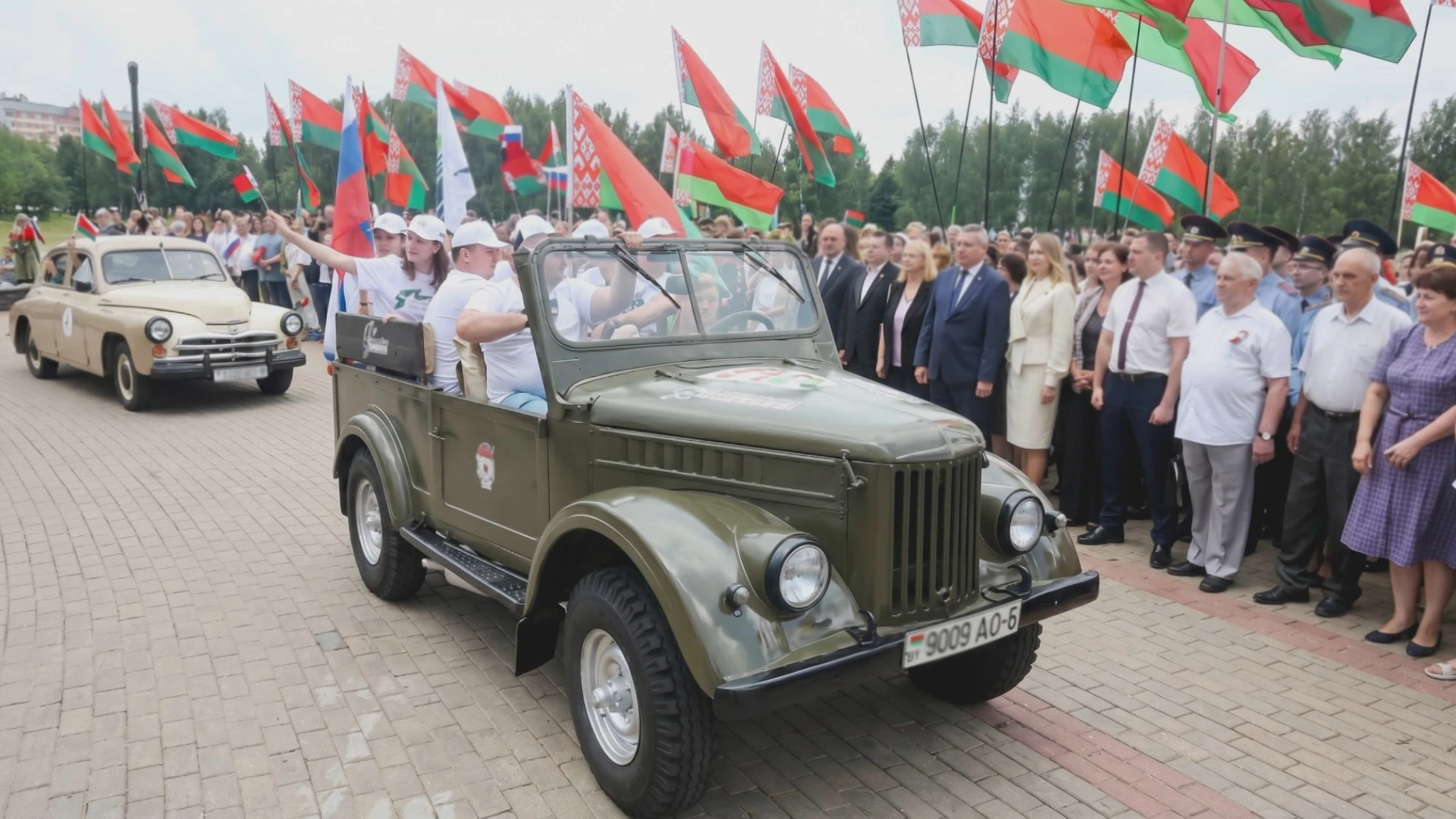
Commemorative events on June 22nd were held across Belarus. Remembrance routes united all regions of the country. An international motor rally kicked off in the Mogilev Region, young Belarusians launched symbolic peace boats in Grodno, and a requiem concert was held for the first time at the summer amphitheater in Vitebsk.
The 6,000-seat hall of the summer amphitheater was immersed in a special atmosphere. The leitmotif of the concert program was preserving the memory of the events of the Great Patriotic War. Artists and creative groups from Belarus and Russia engaged in an emotional and poignant dialogue with the audience.
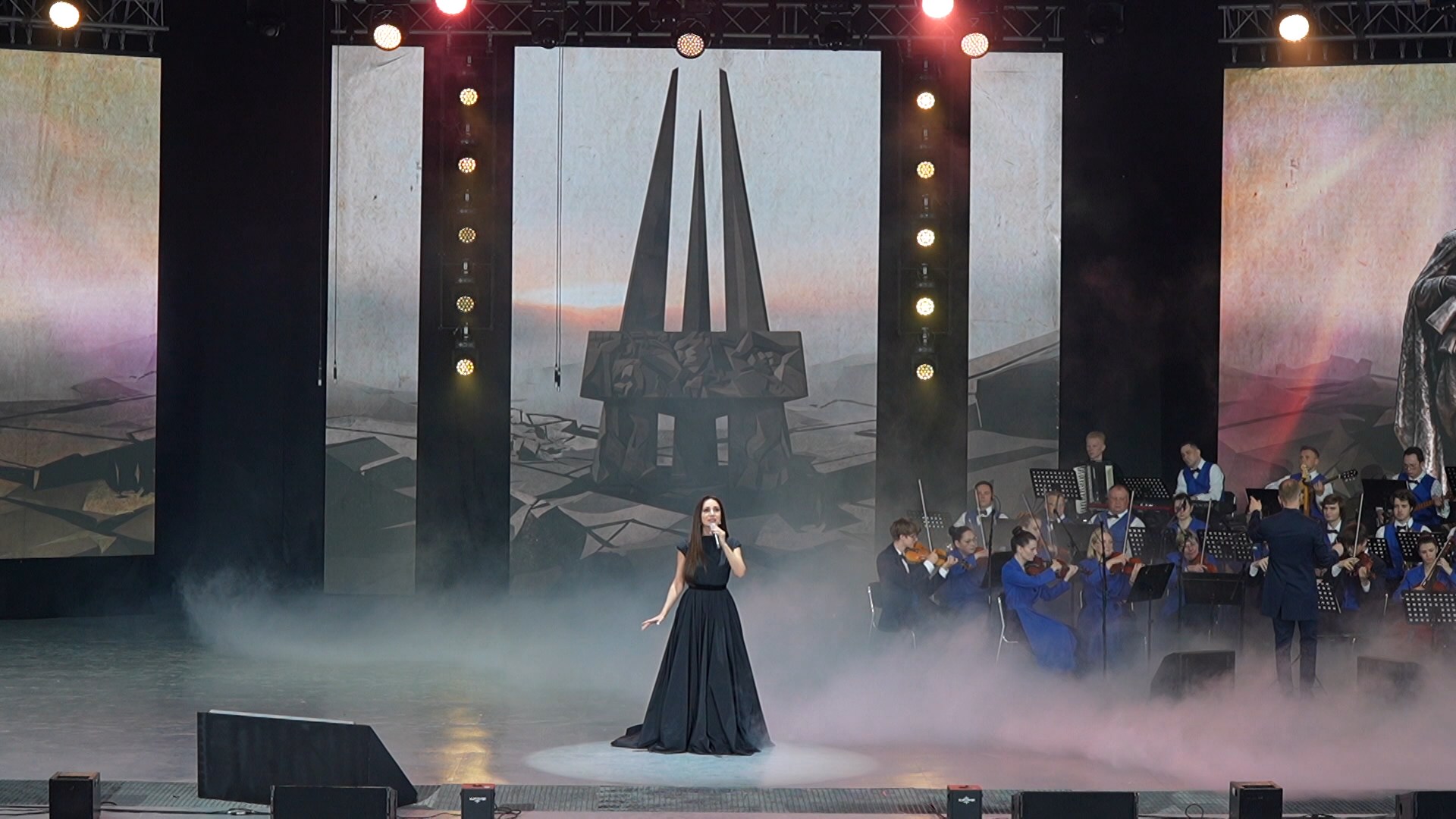
Every chord, rhyme, and movement expresses boundless gratitude to those who resisted fascism. The musical narrative tells the heroic story of Vitebsk: for 1,100 days, the regional center was under Nazi oppression. On June 26, 1944, only 118 residents of the almost completely destroyed but unconquered city greeted the liberators.
"We've all known these songs since early childhood. They were passed down to us from our grandfathers, our great-grandfathers. They're relatable because each of these songs tells a human story," shared Honored Artist of Russia Zara.
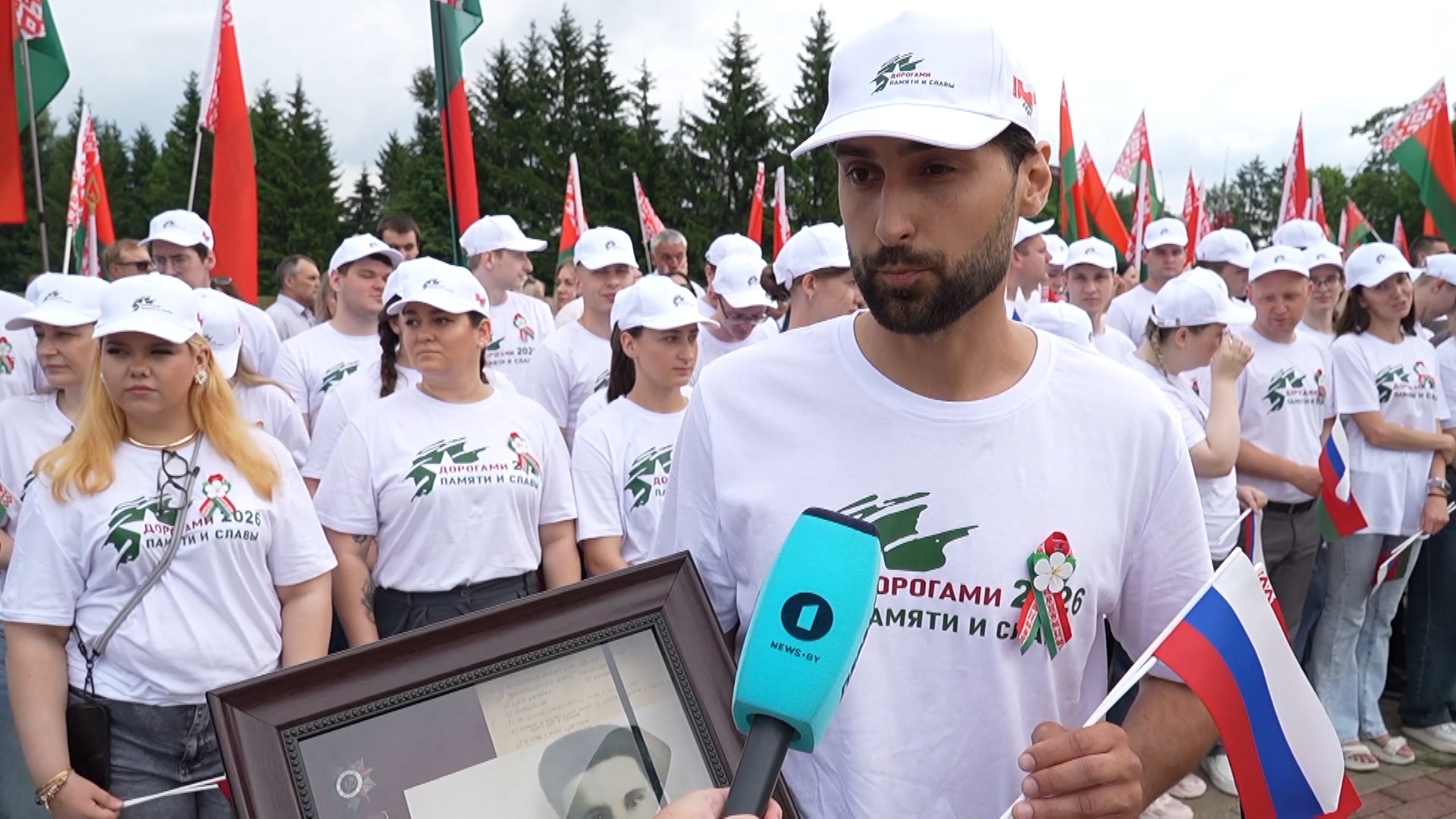
In Buinichi Field, over 5,000 representatives of different generations participated in a memorial rally. The international youth project "Roads of Memory and Glory" also traditionally launched here. Eighty-five young patriots from Belarus and Russia will visit iconic sites in the Mogilev region.
Oleg Boyko, First Secretary of the Mogilev Regional Committee of the Belarusian Republican Youth Union (BRSM):
"The project has proven itself over the past five years. And at one point, thanks to a youth initiative within the regional project, it grew to the level of a scholarship recipient for the President's special award for spiritual revival. It demonstrates how important and necessary it is to talk about the heroic past among young people."
"It so happens that my grandfather, Mikhail Vladimirovich Frolov, took part in military operations in the Mogilev Region. I will pass on a photograph to my grandfather, a copy of his award sheet for the Second Degree Patriotic Order," noted Georgy Frolov, a participant in the "Roads of Memory and Glory" project (Russia).
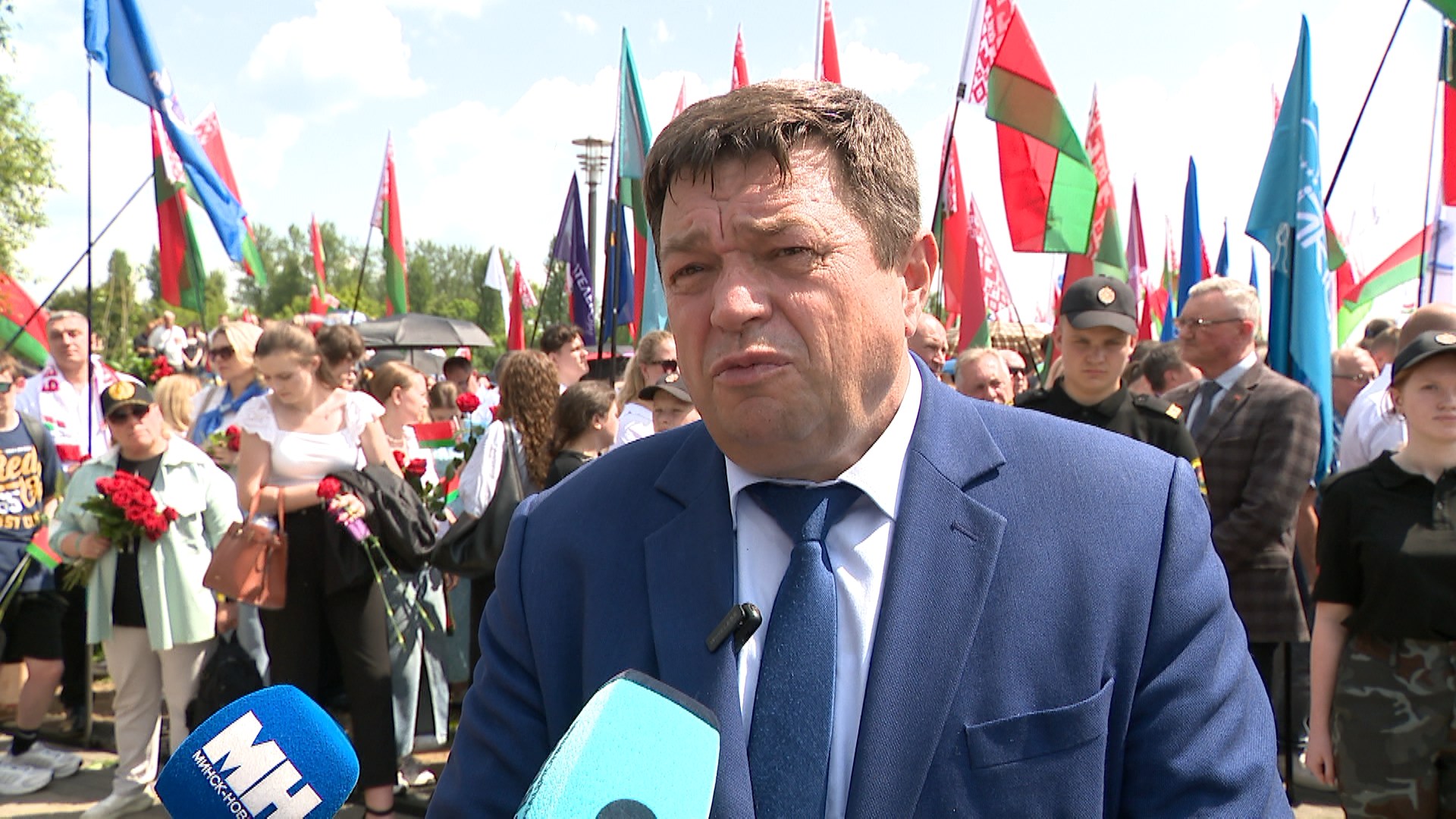
The Trostenets Memorial Complex, the site where hundreds of thousands of prisoners were tortured by the Nazis, is today awash in scarlet flowers. Minsk residents, the capital's leadership, veterans, and young people came to honor the memory of those whose lives were so unjustly and cruelly cut short by the war.
Yuri Lutsyk, Chairman of the Minsk City Veterans Organization:
"Every third resident of our country perished. The national economy, culture, and production were destroyed. These are all such difficult chapters of our lives. Cities and villages were destroyed, and many never recovered. We must remember this and pass it on to our descendants, because children must know the atrocities inflicted on our land by the Nazi invaders."
Heirs to peace and the Great Victory—representatives of the Minsk region—gathered in Zhodino at the legendary monument in honor of the patriotic mother, Anastasia Kupriyanova. Six bronze figures are frozen in a poignant scene: a mother seeing her five sons off to the front. They will never return home. The great sacrifice of all Soviet mothers is embodied in stone and metal.
"This topic will always be relevant, and it must always be honored. After all, this is our history, our glory, for demonstrating our courage, bravery, and heroism, and showing that we will not surrender to the enemy. We will stand with dignity, we will defend our honor," said Ivan Bektimirov, a student at Zhodino Secondary School No. 2.
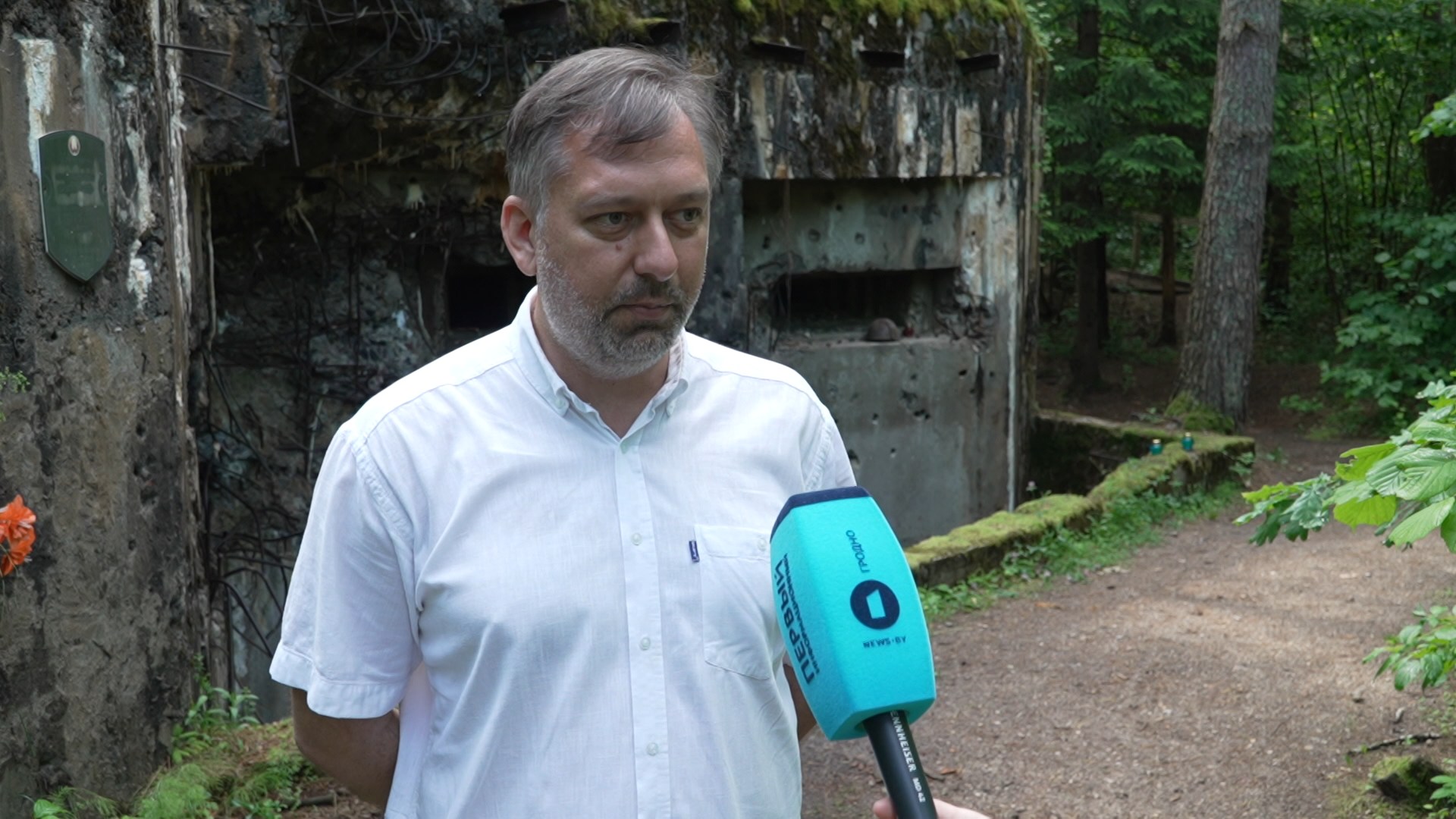
Those who died defending their native land were also remembered at the 68th Grodno Fortified Region. Here, on June 22, along with border guards, the garrisons of permanent firing points took the brunt of the German attacks. A feat that will never be forgotten.
"These soldiers, along with the border guards, were the first to take the brunt of the German attack on the morning of the 22nd. They had a very difficult time, fighting back almost single-handedly, because the 3rd Army troops from Grodno didn't have time to reach here; they were already surrounded. Therefore, for two or three days, the garrisons were completely surrounded, perishing, but they didn't surrender. We know this for sure. Take, for example, the 10th Half-Caponier. It's clear that there was not only frontal shelling but also an explosion from above, from the roof. Therefore, the garrison, apparently, resisted to the end and was incapacitated by a German assault group," noted Dmitry Lyutik, a history teacher at D.V. Kazakevich Gymnasium No. 4 in Grodno.
The heroes' feat lives on in the memory of grateful descendants. Paper boats, a symbol of the continuity of generations, set sail on the Augustow Canal that day. The snow-white flotilla is the gratitude of young Belarusians for the peaceful sky that we are bequeathed to protect.