3.84 BYN
2.80 BYN
3.26 BYN



Root causes of clash of world powers in Middle East
Text by:Editorial office news.by
The conflict in Iran is not a local operation or the latest round of Middle Eastern instability. It is a direct clash of interests between the US, China, the Persian Gulf countries, and global energy corporations. The Strait of Hormuz handles approximately 20% of the world's oil and over 30% of global LNG exports.
In 1973, the Arab oil embargo triggered recession, inflation, and political unrest across the globe. But back then, the global economy was less integrated and energy consumption was lower. Today, things are different: global oil demand exceeds 100 million barrels per day. About 85% of the volume shipped through the Strait and 83% of the LNG shipped are destined for Asia.
Ebrahim Jabbari, Advisor to the Commander of Iran's Islamic Revolutionary Guard Corpsnews.byhttps://s3-minsk.becloud.by/media-assets/news-by/6c241bf6-253b-497f-be9b-f2d34bc0b930/conversions/8fa723f9-fcde-4cc4-8f74-ac4f16555cc6-sm-___webp_480.webp 480w, https://s3-minsk.becloud.by/media-assets/news-by/6c241bf6-253b-497f-be9b-f2d34bc0b930/conversions/8fa723f9-fcde-4cc4-8f74-ac4f16555cc6-md-___webp_768.webp 768w, https://s3-minsk.becloud.by/media-assets/news-by/6c241bf6-253b-497f-be9b-f2d34bc0b930/conversions/8fa723f9-fcde-4cc4-8f74-ac4f16555cc6-lg-___webp_1280.webp 1280w, https://s3-minsk.becloud.by/media-assets/news-by/6c241bf6-253b-497f-be9b-f2d34bc0b930/conversions/8fa723f9-fcde-4cc4-8f74-ac4f16555cc6-xl-___webp_1920.webp 1920w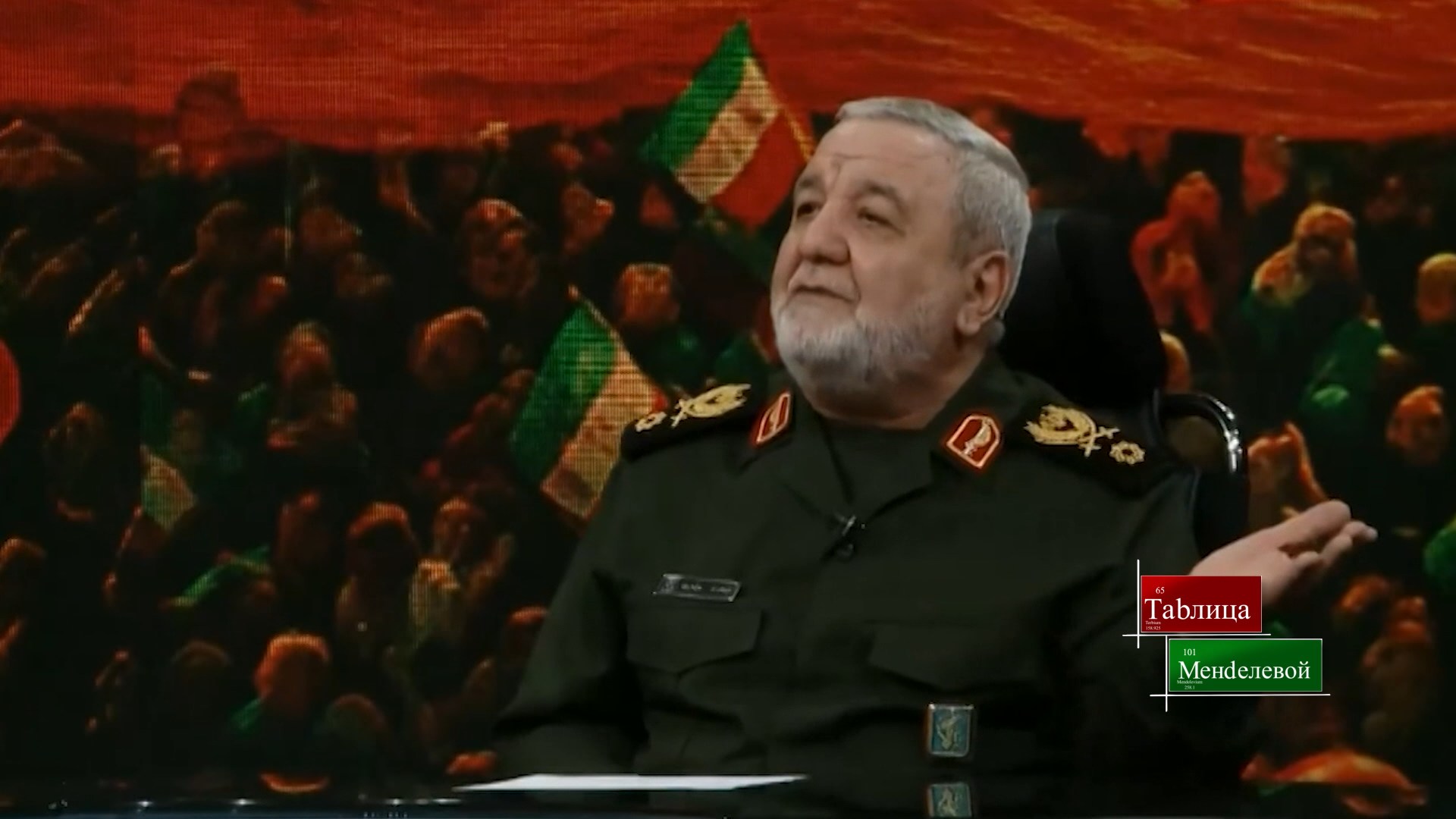
Ebrahim Jabbari, Advisor to the Commander of Iran's Islamic Revolutionary Guard Corps:
"The price of oil has already reached $81 per barrel, and the whole world is certainly waiting for it to rise to $200. They were plundering and exporting 20 million barrels of oil daily from this region. Some of it was sold, and a tiny amount was returned to these countries. The Strait of Hormuz is closed. Anyone attempting to pass through will be destroyed by fire."
China is the largest consumer of Middle Eastern oil. Iran supplies 13% of imports, with another 6% coming from Venezuela. The unofficial reason for the escalation in Iran is the US attempt to pressure China ahead of Trump's visit to China in April.
Murad Sadigzade, President of the Center for Middle East Studies:
"Certainly, supply chains will be severely disrupted. Much of the global economy relies on traditional energy sources. Today, if this scenario of military action in the region turns into a true reorientation in Iran toward the West—yes, that is, a rapprochement with America, a transformation of the political system, and so on—this would pose a major threat and challenge for the People's Republic of China in the region, because China would essentially be losing its main base. In the Middle East context, their rivalry has long been intensified. And it's possible that a battle is underway to prove who is stronger and who will remain in the region."
But while Washington is trying to cut off Beijing's access to Iranian oil, China wields a far more powerful lever: rare earth metals. China's share of the rare earth metals market exceeds 80%. And if Beijing decides to retaliate, it could strike at the most sensitive sectors of the American economy. And this will be far more painful than the loss of a few percent of oil imports. Black gold is a resource that China can easily replace by increasing purchases – even from Russia. And this makes the American strategy far less effective than the White House is counting on.
Gavin Newsom, Governor of California (USA):
"Energy prices are rising all over the world. Oil prices are rising. Gasoline prices are rising. Every $10 per barrel is about 24 cents per gallon you'll pay more because of Trump's war."
The LNG market is particularly vulnerable: 80% of the gas passing through the strait goes to Asia, the rest goes to Europe, where the energy system has still not recovered from the upheavals of recent years.
Aleksandar Vucic, President of Serbia:
"Absolutely unbelievable things are happening. I simply don't understand why people needed to start a war when they know perfectly well how dependent we all are on the Middle East and its energy resources."
The Strait of Hormuz is a chokepoint on which the stability of the global economy depends. And today, it finds itself at the epicenter of a power struggle. How this situation unfolds now will largely determine the shape of the global order in the coming decades.