3.77 BYN
2.82 BYN
3.21 BYN



Outrageous “Hospitality”: Polish Police Fire at Unarmed Belarusian Driver in Roadside Ambush
Text by:Editorial office news.by
Outrageous “Hospitality”: Polish Police Fire at Unarmed Belarusian Driver in Roadside Ambushnews.byhttps://s3-minsk.becloud.by/media-assets/news-by/ab192968-ee12-465b-bb5d-eef13aba8bf5/conversions/72f17373-72b7-47fd-ad26-92252e8bb6d1-sm-___webp_480.webp 480w, https://s3-minsk.becloud.by/media-assets/news-by/ab192968-ee12-465b-bb5d-eef13aba8bf5/conversions/72f17373-72b7-47fd-ad26-92252e8bb6d1-md-___webp_768.webp 768w, https://s3-minsk.becloud.by/media-assets/news-by/ab192968-ee12-465b-bb5d-eef13aba8bf5/conversions/72f17373-72b7-47fd-ad26-92252e8bb6d1-lg-___webp_1280.webp 1280w, https://s3-minsk.becloud.by/media-assets/news-by/ab192968-ee12-465b-bb5d-eef13aba8bf5/conversions/72f17373-72b7-47fd-ad26-92252e8bb6d1-xl-___webp_1920.webp 1920w
A 60-year-old man from Belarus’s Grodno region is now fighting for his life — and his leg — after Polish security forces in civilian clothes riddled his newly purchased BMW with bullets on a Polish highway. There is no threat to his life, doctors say, but Belarusian specialists are now battling to save the severely wounded limb.
On the night of 12 May, the man was driving home from Germany when, shortly after crossing into Poland, he was suddenly blocked by plainclothes officers. Without warning or explanation, they opened fire at point-blank range. The car was turned into a sieve — thirty bullet holes in the sides and rear, shattered windows, blood pooled across the seats. Strikingly, not a single shot was aimed at the tyres.
Belarusian law enforcement received exclusive and harrowing evidence from abroad that leaves no room for doubt: this was a shocking act of unprovoked violence. “Police received information from a medical facility about the emergency hospitalisation of a 60-year-old resident of the Grodno region with gunshot wounds,” said Maxim Rudy, deputy head of the Grodno Region Internal Affairs Department. “According to preliminary information, the man sustained injuries to the head and lower limb while on the territory of the Republic of Poland.”
Once in Polish hands, the victim was taken to the nearest hospital. There, doctors removed the bullets but then simply sewed the wounds shut — a procedure strictly contraindicated for gunshot trauma. In an apparent attempt to justify their actions, Polish officers searched the man’s blood for drugs and alcohol. They found nothing. Days later, despite the gravity of his injuries, he was effectively discharged in serious condition and told to leave.
With no other options, he asked acquaintances in Poland to help him reach the border. Back on Belarusian soil, he was immediately hospitalized again. “On admission, his condition was assessed as extremely grave, with massive blood loss and a real threat to his life,” said Natalya Rizvanovich, chief physician of the Slonim Central District Hospital. “A decision was taken to transfer him to the republican level. In accordance with current legislation, information about a patient with gunshot wounds was promptly passed to the district internal affairs department.”
news.byhttps://s3-minsk.becloud.by/media-assets/news-by/ab52eb13-0644-4fd3-b18e-59fe6a36c06c/conversions/b57ada3c-b01b-4cae-b248-e0cf0e6e96b6-sm-___webp_480.webp 480w, https://s3-minsk.becloud.by/media-assets/news-by/ab52eb13-0644-4fd3-b18e-59fe6a36c06c/conversions/b57ada3c-b01b-4cae-b248-e0cf0e6e96b6-md-___webp_768.webp 768w, https://s3-minsk.becloud.by/media-assets/news-by/ab52eb13-0644-4fd3-b18e-59fe6a36c06c/conversions/b57ada3c-b01b-4cae-b248-e0cf0e6e96b6-lg-___webp_1280.webp 1280w, https://s3-minsk.becloud.by/media-assets/news-by/ab52eb13-0644-4fd3-b18e-59fe6a36c06c/conversions/b57ada3c-b01b-4cae-b248-e0cf0e6e96b6-xl-___webp_1920.webp 1920w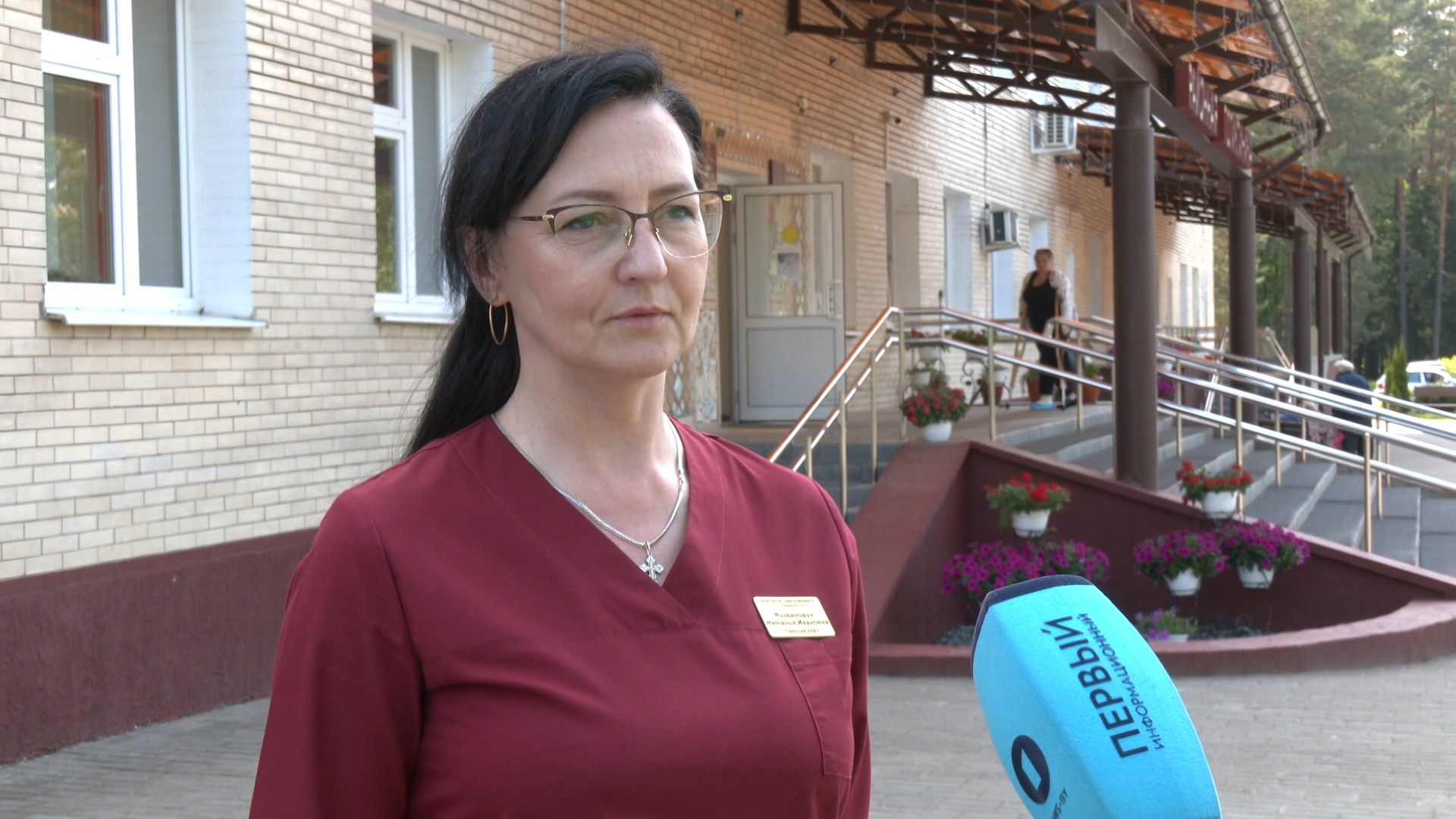
The case was immediately placed under the personal control of the Belarusian Ministry of Health. A high-level medical council was convened even in the middle of the night. “Despite it being non-working night hours, a medical council was immediately assembled to save this man’s life and preserve his limb,” said Elena Bogdan, First Deputy Minister of Health of Belarus. “The Polish colleagues employed a completely incomprehensible and unacceptable tactic for treating gunshot wounds. When wounds are simply sewn shut, the tissue around the bullet channel — especially muscle — dies. The correct decision was made to transfer the patient immediately to the republican level. The situation has been and remains under the personal control of the Minister of Health.”
news.byhttps://s3-minsk.becloud.by/media-assets/news-by/2938bee2-35a4-411d-ab8a-591605313293/conversions/79bab4e5-1cab-4742-a439-189999fbd09d-sm-___webp_480.webp 480w, https://s3-minsk.becloud.by/media-assets/news-by/2938bee2-35a4-411d-ab8a-591605313293/conversions/79bab4e5-1cab-4742-a439-189999fbd09d-md-___webp_768.webp 768w, https://s3-minsk.becloud.by/media-assets/news-by/2938bee2-35a4-411d-ab8a-591605313293/conversions/79bab4e5-1cab-4742-a439-189999fbd09d-lg-___webp_1280.webp 1280w, https://s3-minsk.becloud.by/media-assets/news-by/2938bee2-35a4-411d-ab8a-591605313293/conversions/79bab4e5-1cab-4742-a439-189999fbd09d-xl-___webp_1920.webp 1920w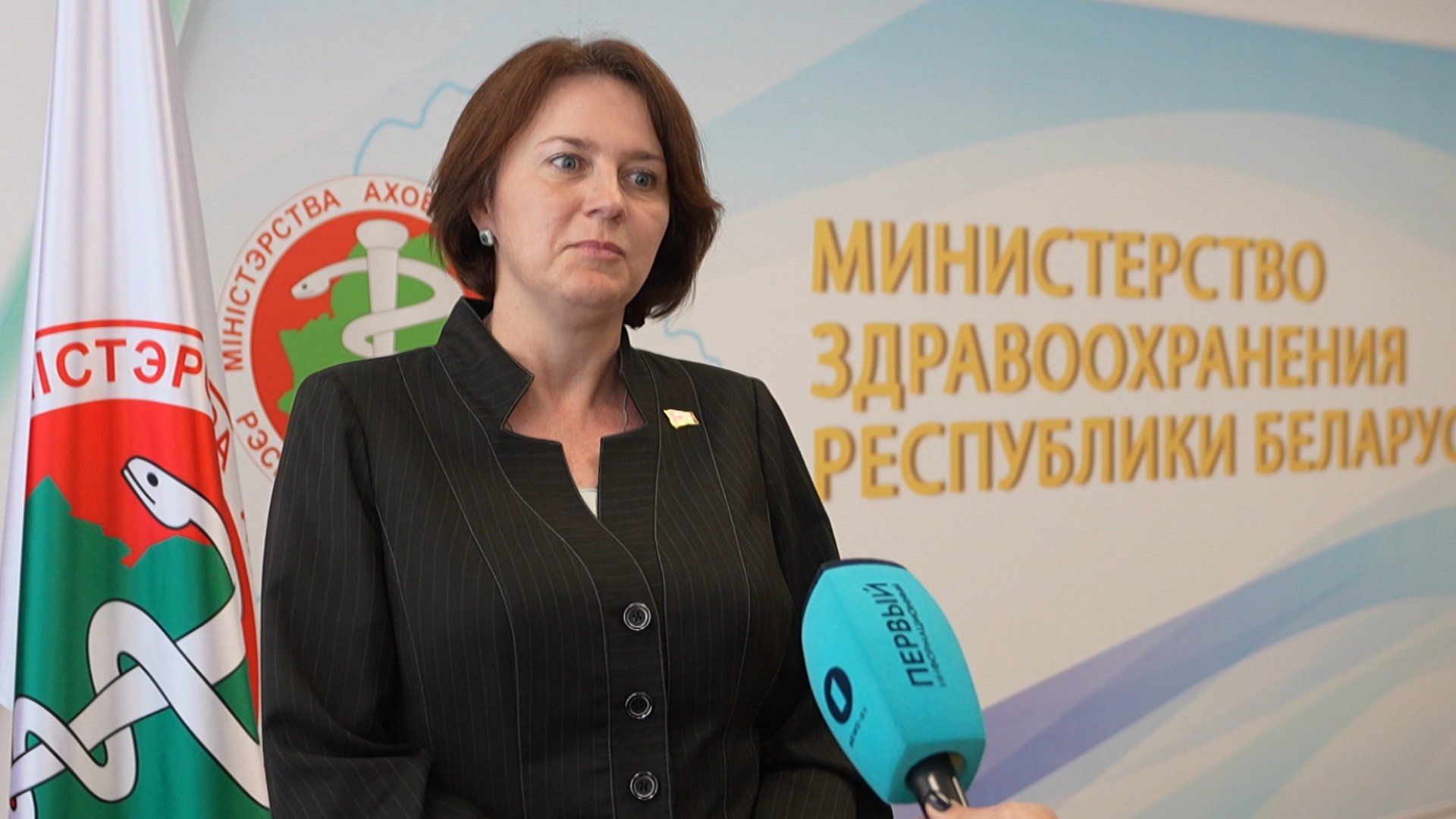
The patient was rushed by ambulance, escorted by traffic police, to the Main Military Clinical Medical Centre in Minsk, where specialists in gunshot and blast trauma are concentrated. He was taken straight to the operating table. A large team of leading surgeons — anaesthetists, resuscitators, traumatologists, orthopaedists, vascular and maxillofacial surgeons — worked for several hours under the guidance of the centre’s chief surgeon.
“The patient has a severe gunshot wound to the head involving the middle, inner and outer ear, olfactory organs and oral mucosa,” explained Dr. Andrei Litvinchik, traumatologist-orthopaedist at the centre. “There are multiple fractures of the limbs. The most serious complication is compressive ischaemic neuropathy of the peroneal nerve caused by the gunshot injury to the lower leg. Without restoration of this nerve, the patient will be unable to walk normally; the foot will lose its supporting function. The entire external muscle group, ankle joint and lower leg are currently non-viable.”
news.byhttps://s3-minsk.becloud.by/media-assets/news-by/bdfe9fb9-3b4f-44cd-8f78-dd97ad6c74b0/conversions/3e98f96d-e765-4636-9a4a-40e6925a4fa6-sm-___webp_480.webp 480w, https://s3-minsk.becloud.by/media-assets/news-by/bdfe9fb9-3b4f-44cd-8f78-dd97ad6c74b0/conversions/3e98f96d-e765-4636-9a4a-40e6925a4fa6-md-___webp_768.webp 768w, https://s3-minsk.becloud.by/media-assets/news-by/bdfe9fb9-3b4f-44cd-8f78-dd97ad6c74b0/conversions/3e98f96d-e765-4636-9a4a-40e6925a4fa6-lg-___webp_1280.webp 1280w, https://s3-minsk.becloud.by/media-assets/news-by/bdfe9fb9-3b4f-44cd-8f78-dd97ad6c74b0/conversions/3e98f96d-e765-4636-9a4a-40e6925a4fa6-xl-___webp_1920.webp 1920w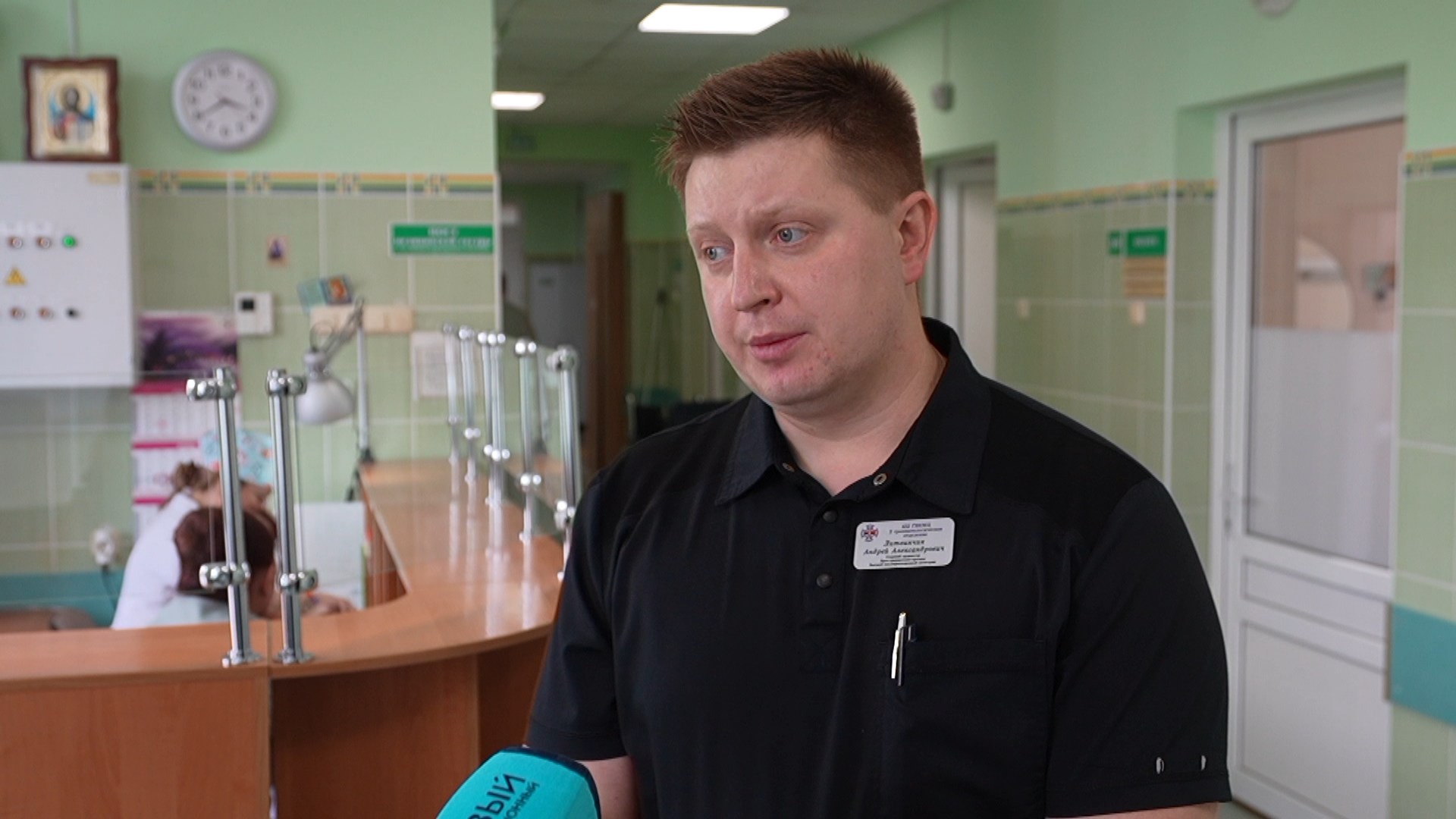
The man has already undergone three complex, multi-hour operations, with more still to come. His condition remains serious, yet doctors stress that the prompt and professional actions of Belarusian medicine have averted the worst. “All the wounds passed, as they say, by a hair’s breadth,” Dr. Litvinchik noted. “If the bullet had deviated by just a few millimetres in the head area, we would not be having this conversation today — the outcome would have been fatal.”
Elena Bogdan added: “The patient has a long road to recovery ahead. We are mobilising every resource, including republican-level rehabilitation. The most important thing is that he made it back to the Republic of Belarus and into our healthcare system — and thereby received a real chance at life.”
Belarusian investigators are now establishing the full circumstances of the incident. The case is under close scrutiny. “This incident raises serious doubts about the real level of security declared by the Polish side,” said Ruslan Varankov, head of the Information and Digital Diplomacy Department and press secretary of the Belarusian Foreign Ministry. “In this regard, the MFA recommends that Belarusian citizens take such risks into account when planning trips abroad. As practice shows, a law-abiding citizen can be mistakenly identified as an offender and subjected to disproportionate force. At the same time, we welcome the start of investigative actions by the Polish prosecutor’s office and the qualification of the incident as abuse of power. We expect an objective investigation, the identification of those responsible and their prosecution.”
news.byhttps://s3-minsk.becloud.by/media-assets/news-by/6f0a11cb-44a5-4808-a732-67153b11714b/conversions/d27831a8-47b5-409e-b399-2851719c6d13-sm-___webp_480.webp 480w, https://s3-minsk.becloud.by/media-assets/news-by/6f0a11cb-44a5-4808-a732-67153b11714b/conversions/d27831a8-47b5-409e-b399-2851719c6d13-md-___webp_768.webp 768w, https://s3-minsk.becloud.by/media-assets/news-by/6f0a11cb-44a5-4808-a732-67153b11714b/conversions/d27831a8-47b5-409e-b399-2851719c6d13-lg-___webp_1280.webp 1280w, https://s3-minsk.becloud.by/media-assets/news-by/6f0a11cb-44a5-4808-a732-67153b11714b/conversions/d27831a8-47b5-409e-b399-2851719c6d13-xl-___webp_1920.webp 1920w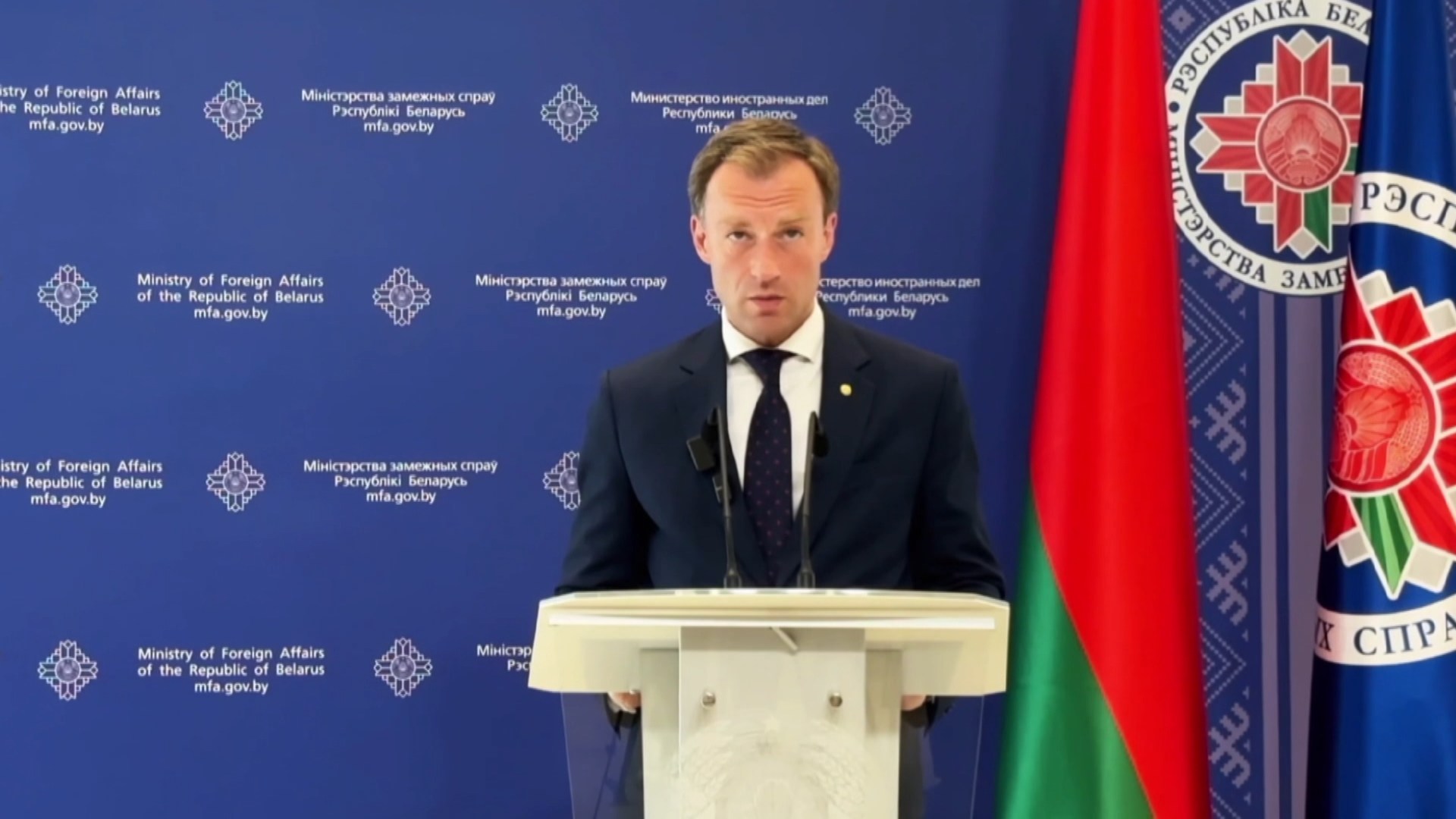
Whether the Polish side will have the courage to acknowledge this flagrant act of aggression remains to be seen. The answer, it seems, will not be long in coming.