3.77 BYN
2.82 BYN
3.30 BYN



5,200 New Types of Equipment and 75,000 Rounds of Ammunition: What Belarusian Army Received in 2025
Text by:Yuri Shevchuk
news.byhttps://s3-minsk.becloud.by/media-assets/news-by/8342f4f1-fdfe-4bb3-afa0-a51d17b9f65f/conversions/9be2af6f-e625-453d-8601-66b62145c1b7-sm-___webp_480.webp 480w, https://s3-minsk.becloud.by/media-assets/news-by/8342f4f1-fdfe-4bb3-afa0-a51d17b9f65f/conversions/9be2af6f-e625-453d-8601-66b62145c1b7-md-___webp_768.webp 768w, https://s3-minsk.becloud.by/media-assets/news-by/8342f4f1-fdfe-4bb3-afa0-a51d17b9f65f/conversions/9be2af6f-e625-453d-8601-66b62145c1b7-lg-___webp_1280.webp 1280w, https://s3-minsk.becloud.by/media-assets/news-by/8342f4f1-fdfe-4bb3-afa0-a51d17b9f65f/conversions/9be2af6f-e625-453d-8601-66b62145c1b7-xl-___webp_1920.webp 1920w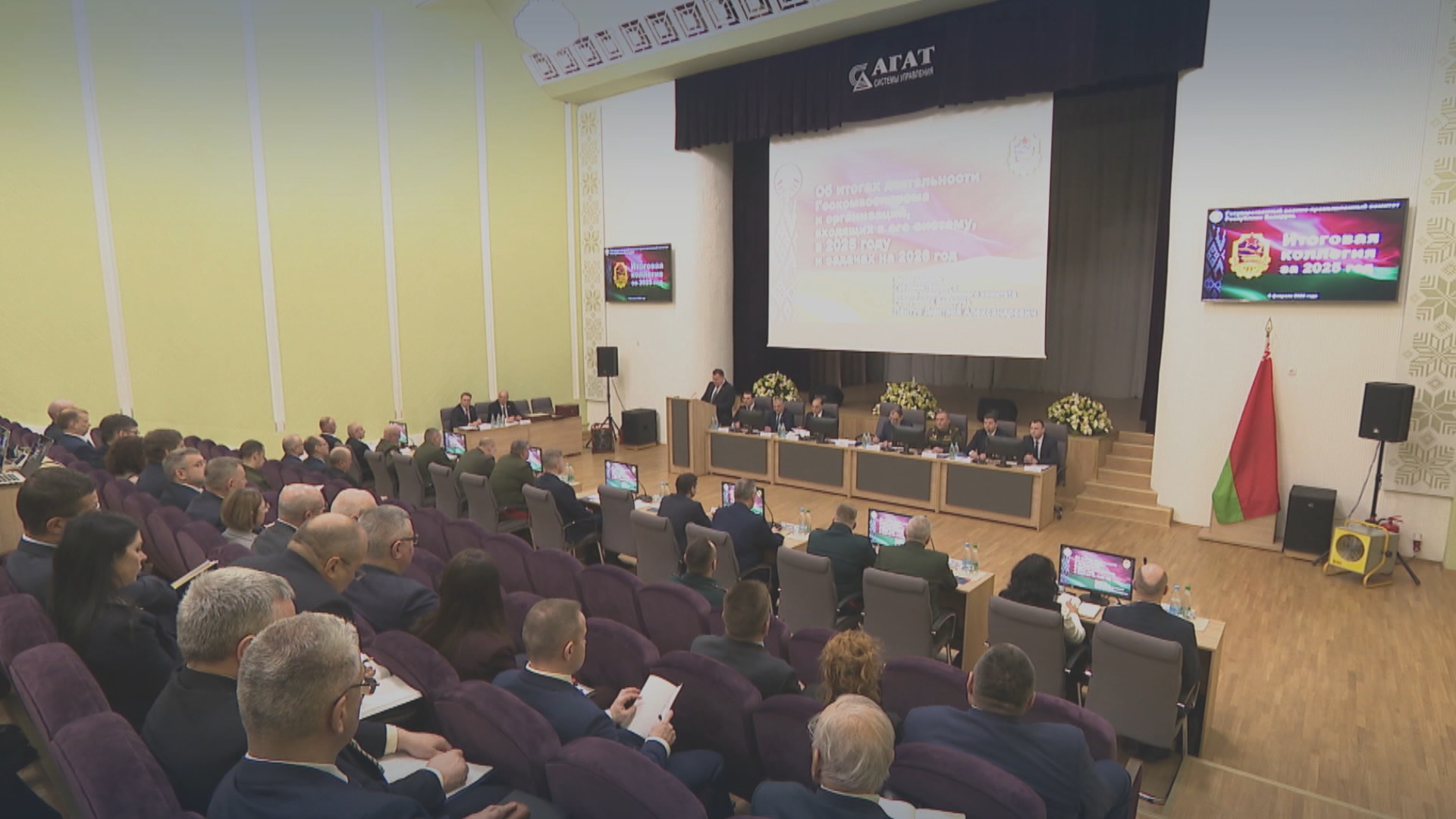
In 2025, the domestic military industry exported its products to 65 countries that are for 7 more than in 2024, noted Dmitry Pantus, head of the State Authority for Military Industry summing up the agency's work for the past year.
In addition to showcasing the country's military-industrial complex products, arms manufacturers are sharing their latest achievements. For example, to minimize external risks, another import substitution program has been successfully implemented.
In 2025, the Belarusian army received 16 types of equipment, that's quite a lot. Extensive work was also carried out on design and experimental weapons.
In particular, both old and existing equipment in service were modernized. Dmitry Pantus noted that the State Authority for Military Industry pays special attention to the demand for domestically produced equipment in the Armed Forces.
For example, in 2025, the Belarusian army received a total of 5,200 new types of military-specialized equipment and auxiliary equipment, as well as 75,000 units of ammunition.
Speaking about the 16 weapons, some of them include radio monitoring systems, electronic weapons, gunner's sights, Panacea battalion optical groups, a control system for Vulkan multiple launch rocket systems, and much more.
Dmitry Pantus also noted that a great work is being done in terms of cooperation with foreign customers. While no figures are available, it is noted that our weapons have very high potential and are in demand, primarily from Belarus's strategic partner, the Russian Federation.
Dmitry Pantus, Chairman of the State Authority for Military Industry of Belarus:
"Military-technical cooperation in today's geopolitical context is a very important task for us. We managed to accomplish a lot; many organizational measures were carried out to establish legal and regulatory framework for cooperation with the new countries. We continued to strengthen our cooperation in regions where we already have stable ties with our partners. Overall, a record export figure was reached in 2025."
Belarus is making significant progress in import substitution. For example, over the past five years, we have mastered to produce components for Belarusian weapons, replacing imported equivalents worth $311 million. By 2025, this figure is approximately $62 million. And this work will continue; as stated at the Belarusian People's Congress, the target is to reach 50% of all Belarusian weapons.