3.82 BYN
2.83 BYN
3.29 BYN



Remembering Victims of One of the Most Brutal WWII Concentration Camps: Commemoration at Ozarichy
Text by:Editorial office news.by
Remembering Victims of One of the Most Brutal WWII Concentration Camps: Commemoration at Ozarichynews.byhttps://s3-minsk.becloud.by/media-assets/news-by/e6a4b7f1-9740-4a82-9114-00188ae19307/conversions/f3c95b58-22f0-4416-9c88-1cd0fdfd35be-sm-___webp_480.webp 480w, https://s3-minsk.becloud.by/media-assets/news-by/e6a4b7f1-9740-4a82-9114-00188ae19307/conversions/f3c95b58-22f0-4416-9c88-1cd0fdfd35be-md-___webp_768.webp 768w, https://s3-minsk.becloud.by/media-assets/news-by/e6a4b7f1-9740-4a82-9114-00188ae19307/conversions/f3c95b58-22f0-4416-9c88-1cd0fdfd35be-lg-___webp_1280.webp 1280w, https://s3-minsk.becloud.by/media-assets/news-by/e6a4b7f1-9740-4a82-9114-00188ae19307/conversions/f3c95b58-22f0-4416-9c88-1cd0fdfd35be-xl-___webp_1920.webp 1920w
The memorial ceremony in Ozarichy honored the victims of one of the most brutal death camps of World War II, where over 20,000 innocent civilians perished amid Nazi atrocities. The camp, located near the village of Ozarichy in Polesia, was the only concentration camp on occupied Soviet territory where the Nazis attempted to deploy bacteriological weapons.
In 1944, as the enemy retreated, they abandoned a death zone, establishing a camp that deliberately subjected elderly people, women, and children to starvation, exposure, and inhumane conditions. The Nazis infected prisoners with typhus, inflicted hunger, cold, and unimaginable suffering. The prisoners were meant to serve as a living shield against the advancing Red Army, but their plan failed.
By 1944, Nazi brutality reached its peak. The system of three camps near Ozarichy was strategically located to cover a vulnerable 15-kilometer section of the German defense line. Notably, Ozarichy was the only site on occupied Soviet territory where Nazis attempted to use biological warfare—aiming to infect Red Army soldiers with typhus to halt the Soviet advance.
Prisoners perished from hypothermia, pneumonia, exhaustion, tuberculosis, typhus, and shrapnel wounds, especially during the spring when survivors succumbed in the remote, swampy forests along the front line.
Zinaida Khlebovets, head of the Ozarichy Memorial Complex, stated:
"During the Nuremberg Trials, the Ozarichy camps were classified as Group A — the most brutal extermination sites in Nazi-occupied Europe. Typhus, a deadly disease, was rampant here, causing agonizing deaths with high fever. While there were no gas chambers or crematoria, the conditions—temperatures from zero to minus 15 degrees Celsius—make these camps among the most inhumane."
news.byhttps://s3-minsk.becloud.by/media-assets/news-by/1e594a92-bb08-4e81-8db0-6695620583e4/conversions/f5fdf1c9-60eb-41d4-a4bb-4d427bec0866-sm-___webp_480.webp 480w, https://s3-minsk.becloud.by/media-assets/news-by/1e594a92-bb08-4e81-8db0-6695620583e4/conversions/f5fdf1c9-60eb-41d4-a4bb-4d427bec0866-md-___webp_768.webp 768w, https://s3-minsk.becloud.by/media-assets/news-by/1e594a92-bb08-4e81-8db0-6695620583e4/conversions/f5fdf1c9-60eb-41d4-a4bb-4d427bec0866-lg-___webp_1280.webp 1280w, https://s3-minsk.becloud.by/media-assets/news-by/1e594a92-bb08-4e81-8db0-6695620583e4/conversions/f5fdf1c9-60eb-41d4-a4bb-4d427bec0866-xl-___webp_1920.webp 1920w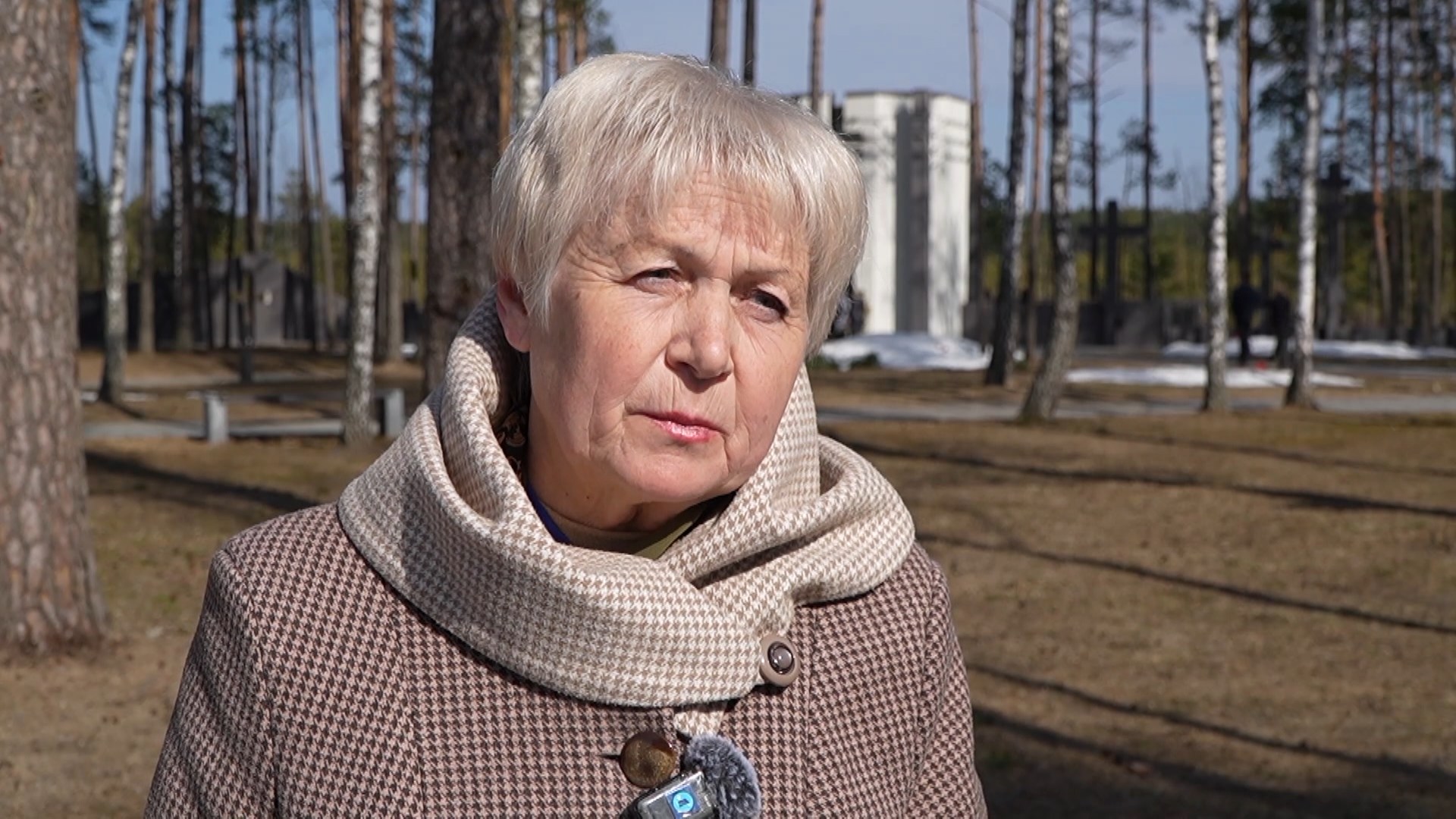
In terms of cruelty toward the elderly, women, and children, Ozarichy stands alongside Auschwitz and Buchenwald. Every year, visitors come to pay homage to loved ones lost or to remember their own traumatic childhoods.
One survivor, Eva Ovchinnikova, recalls:
"Three boys and a girl, along with their mother, were brought here — abandoned in the woods. Their mother saw they couldn't go any further, so she carried them from the swamp and sat on the bank. They were all already sick... They took our group, put us on a train, and when they started bombing, they beat everyone. I was wounded, then picked up and placed in a children’s home. I was left alone."
news.byhttps://s3-minsk.becloud.by/media-assets/news-by/44942813-3273-4981-85c9-c559d36e6717/conversions/c90879bc-30b0-44e1-a0ce-21b282845a9c-sm-___webp_480.webp 480w, https://s3-minsk.becloud.by/media-assets/news-by/44942813-3273-4981-85c9-c559d36e6717/conversions/c90879bc-30b0-44e1-a0ce-21b282845a9c-md-___webp_768.webp 768w, https://s3-minsk.becloud.by/media-assets/news-by/44942813-3273-4981-85c9-c559d36e6717/conversions/c90879bc-30b0-44e1-a0ce-21b282845a9c-lg-___webp_1280.webp 1280w, https://s3-minsk.becloud.by/media-assets/news-by/44942813-3273-4981-85c9-c559d36e6717/conversions/c90879bc-30b0-44e1-a0ce-21b282845a9c-xl-___webp_1920.webp 1920w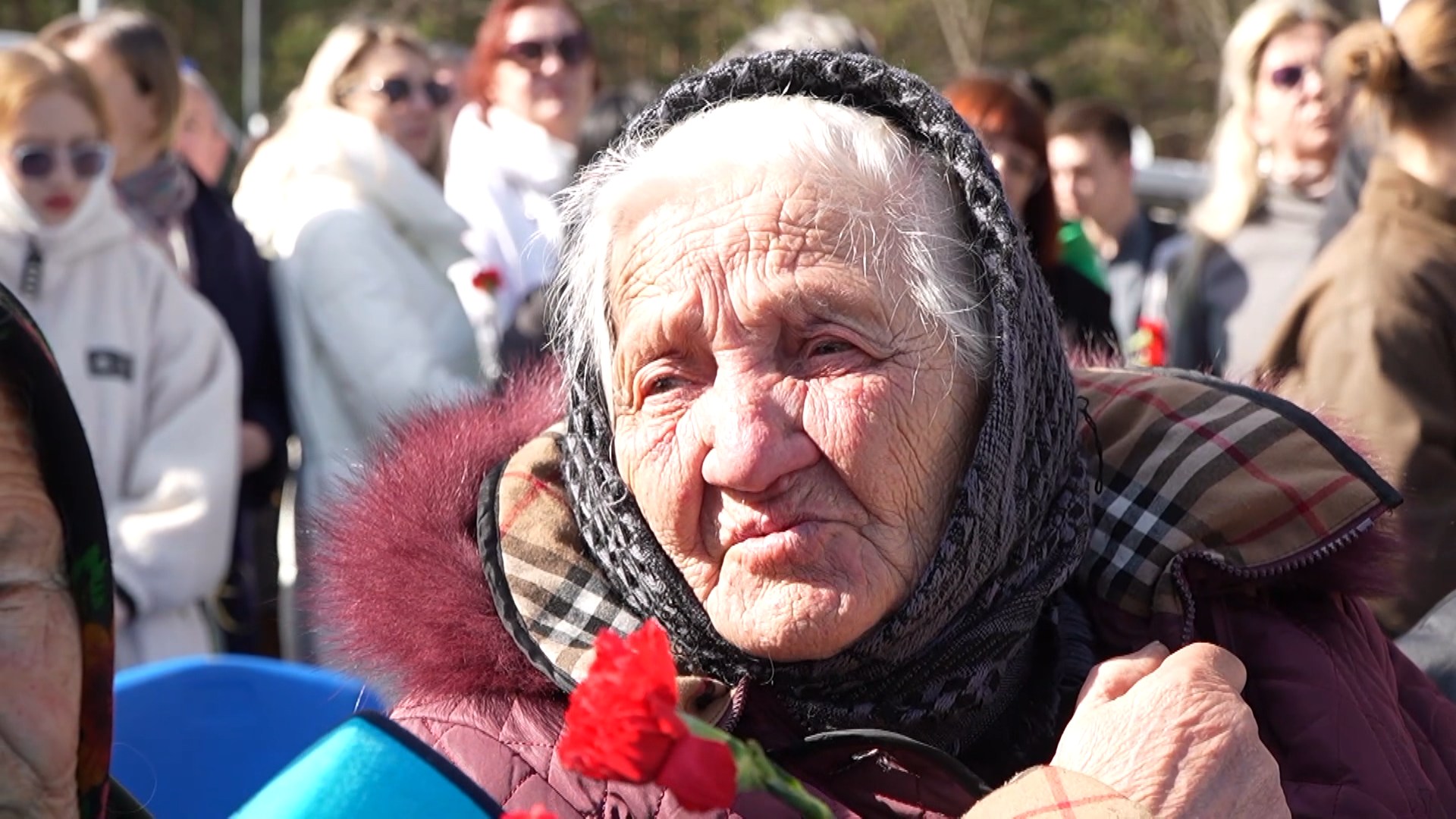
Another survivor, Stanislav Yukovski, recounts:
"They didn’t give us food or water; the dead were everywhere. Snow fell, gunfire echoed—bullets whistled past. A German soldier fired and hit a boy in the head. My mother, who has since passed away, held him and cried, 'My dear child, I wish you were alive, but I have lost you.'"
news.byhttps://s3-minsk.becloud.by/media-assets/news-by/b76a1204-6ec0-4469-b6a2-5fdb247bb93e/conversions/ff457bc9-aa9c-4074-83a5-ab53d8f1c68c-sm-___webp_480.webp 480w, https://s3-minsk.becloud.by/media-assets/news-by/b76a1204-6ec0-4469-b6a2-5fdb247bb93e/conversions/ff457bc9-aa9c-4074-83a5-ab53d8f1c68c-md-___webp_768.webp 768w, https://s3-minsk.becloud.by/media-assets/news-by/b76a1204-6ec0-4469-b6a2-5fdb247bb93e/conversions/ff457bc9-aa9c-4074-83a5-ab53d8f1c68c-lg-___webp_1280.webp 1280w, https://s3-minsk.becloud.by/media-assets/news-by/b76a1204-6ec0-4469-b6a2-5fdb247bb93e/conversions/ff457bc9-aa9c-4074-83a5-ab53d8f1c68c-xl-___webp_1920.webp 1920w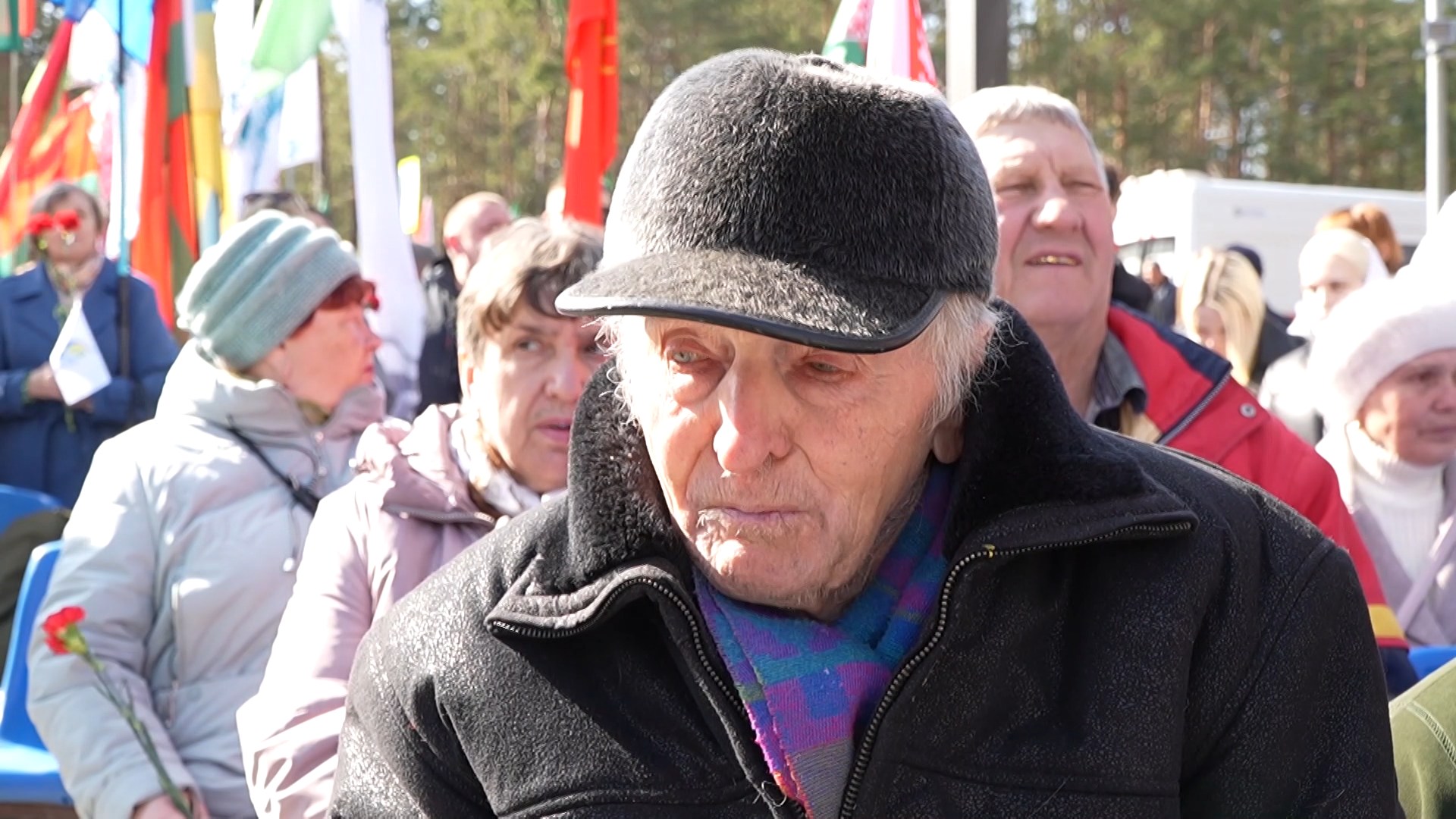
In just ten days, over 20,000 perished. On March 19, a memorial rally at the Ozarichy complex commemorated the victims of genocide and the liberators' heroic efforts. The event also highlighted lessons from history and the importance of preserving collective memory.
Tatyana Gubska, a resident of Zhlobin, shared:
"My husband Pavel’s mother was a young prisoner here—only 13 years old—along with her two-year-old sister and five-year-old brother. They survived, but they suffered greatly. My own family’s suffering is a reminder of the high price paid by those who endured this death camp. It is our sacred duty to remember their pain and sacrifices."
Alexander Chechulin, from Gomel, emphasized the importance of remembrance:
"We honor and pay tribute to those who endured unimaginable conditions, suffering through pain and tragedy. As the younger generation, it is our responsibility to pass this history on, because preserving its memory is vital for the future."
news.byhttps://s3-minsk.becloud.by/media-assets/news-by/344b5818-1e4e-44ac-9512-669d9c9663a4/conversions/20ba437b-fecc-47ab-a711-b68517479dad-sm-___webp_480.webp 480w, https://s3-minsk.becloud.by/media-assets/news-by/344b5818-1e4e-44ac-9512-669d9c9663a4/conversions/20ba437b-fecc-47ab-a711-b68517479dad-md-___webp_768.webp 768w, https://s3-minsk.becloud.by/media-assets/news-by/344b5818-1e4e-44ac-9512-669d9c9663a4/conversions/20ba437b-fecc-47ab-a711-b68517479dad-lg-___webp_1280.webp 1280w, https://s3-minsk.becloud.by/media-assets/news-by/344b5818-1e4e-44ac-9512-669d9c9663a4/conversions/20ba437b-fecc-47ab-a711-b68517479dad-xl-___webp_1920.webp 1920w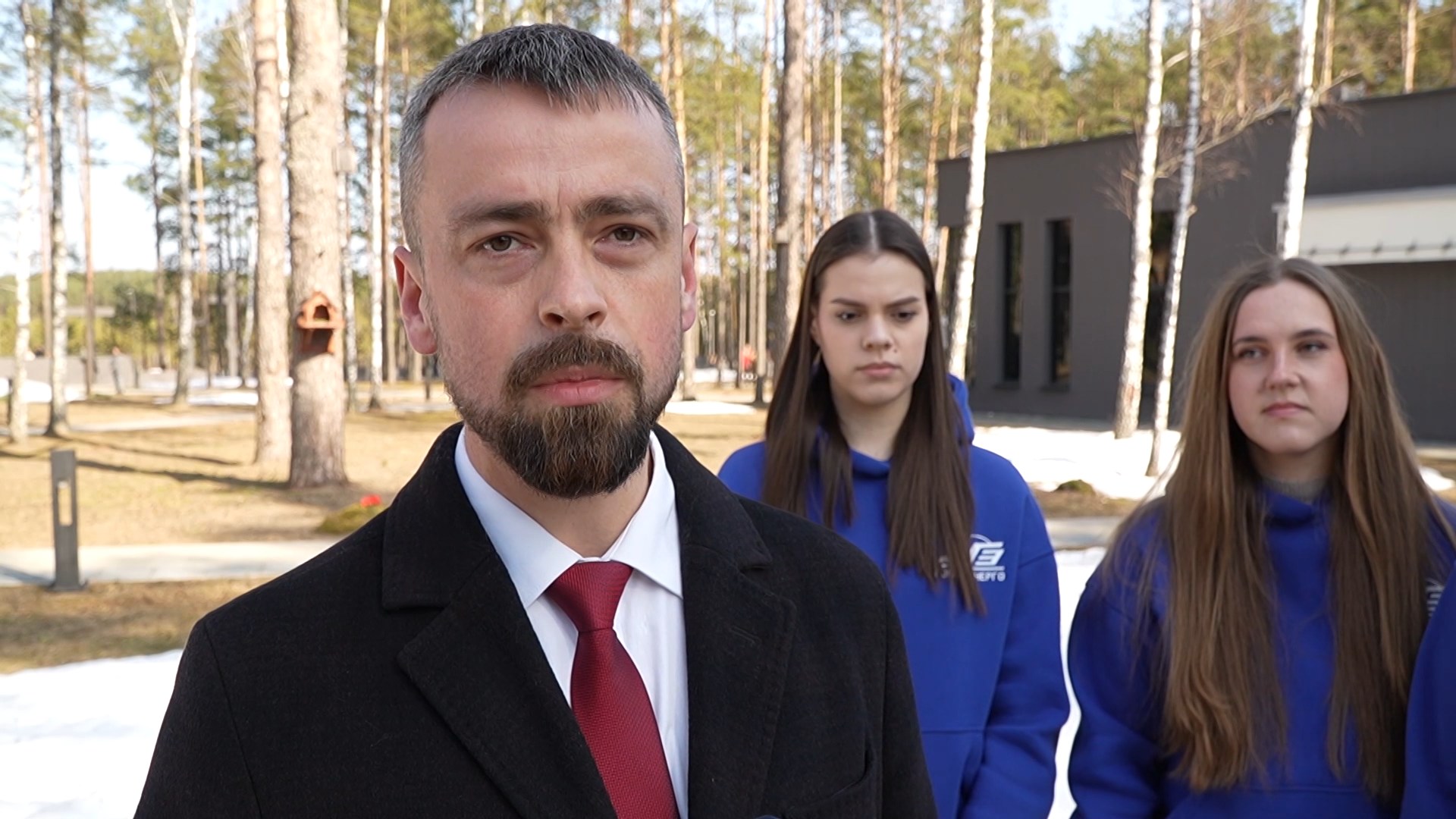
Eighty-two years later, the toll of this dark chapter echoes through solemn bell chimes—reminding us of the cost of freedom. The ongoing investigation into the genocide of the Belarusian people during the Great Patriotic War continues, ensuring that their suffering is never forgotten.