3.77 BYN
2.82 BYN
3.21 BYN



International Forum of Union State took place in Brest
Text by:Editorial office news.by
International Forum of Union State took place in Brestnews.byhttps://s3-minsk.becloud.by/media-assets/news-by/eed9ce51-5751-4536-97c6-3191ded9c97f/conversions/7ed23551-5415-44d4-a572-23d8f2ee4fbd-sm-___webp_480.webp 480w, https://s3-minsk.becloud.by/media-assets/news-by/eed9ce51-5751-4536-97c6-3191ded9c97f/conversions/7ed23551-5415-44d4-a572-23d8f2ee4fbd-md-___webp_768.webp 768w, https://s3-minsk.becloud.by/media-assets/news-by/eed9ce51-5751-4536-97c6-3191ded9c97f/conversions/7ed23551-5415-44d4-a572-23d8f2ee4fbd-lg-___webp_1280.webp 1280w, https://s3-minsk.becloud.by/media-assets/news-by/eed9ce51-5751-4536-97c6-3191ded9c97f/conversions/7ed23551-5415-44d4-a572-23d8f2ee4fbd-xl-___webp_1920.webp 1920w
The final day of the International Forum of the Union State took place in Brest on June 22. In his greeting to the participants, Belarusian President Alexander Lukashenko noted that by revealing new facts of the genocide of the Belarusian people, we are providing a legal assessment of the crimes of the Nazis in order to protect the memory of the innocent victims and the soldiers who accomplished this great feat.
During the plenary session of the forum, it was noted that young people should be the key conduits for revealing the truth about the past.
"We shouldn't be afraid to tell the truth, we shouldn't be afraid of unnecessary harshness if it really happened, if the Nazi occupiers committed these atrocities on our lands. We shouldn't be afraid to tell the truth as it really was. We need to convey it as it was, so that under no circumstances are these horrors repeated on our lands. We need to talk about this every day," said Ulyana Kolobaeva, head of the National Archives of Belarus.
news.byhttps://s3-minsk.becloud.by/media-assets/news-by/c43ec8e0-5a06-4d22-a604-75abf98aa7b5/conversions/93c42fcf-d484-4eef-a329-fcb6568e7faa-sm-___webp_480.webp 480w, https://s3-minsk.becloud.by/media-assets/news-by/c43ec8e0-5a06-4d22-a604-75abf98aa7b5/conversions/93c42fcf-d484-4eef-a329-fcb6568e7faa-md-___webp_768.webp 768w, https://s3-minsk.becloud.by/media-assets/news-by/c43ec8e0-5a06-4d22-a604-75abf98aa7b5/conversions/93c42fcf-d484-4eef-a329-fcb6568e7faa-lg-___webp_1280.webp 1280w, https://s3-minsk.becloud.by/media-assets/news-by/c43ec8e0-5a06-4d22-a604-75abf98aa7b5/conversions/93c42fcf-d484-4eef-a329-fcb6568e7faa-xl-___webp_1920.webp 1920w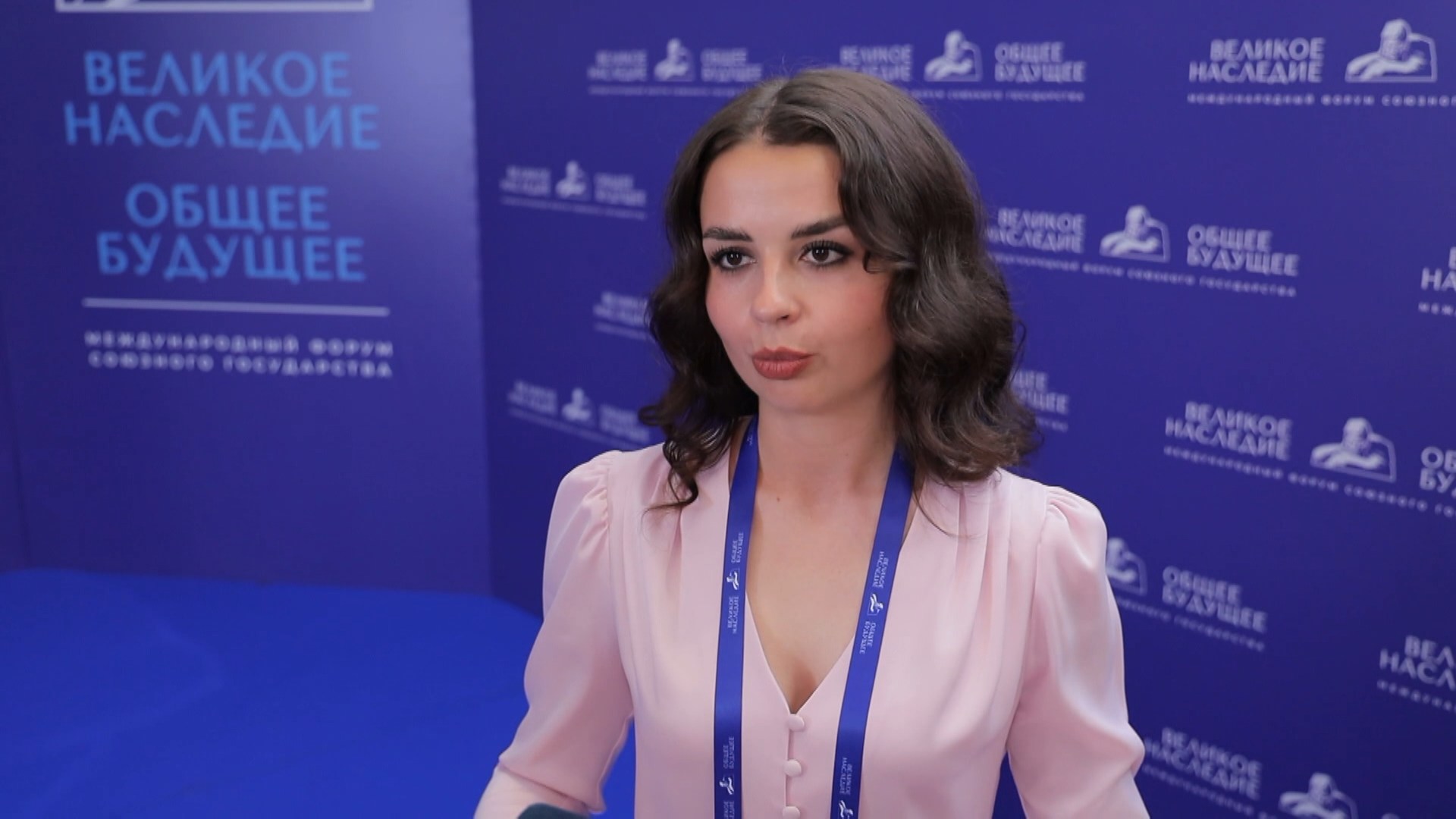
"We will continue this work. It cannot be stopped. And we will do everything possible and impossible to prevent falsification, to instill in young people a sense of responsibility and respect for heroic deeds. We will help preserve the memory of those heroic deeds, of every day, hour, minute, and step of the Soviet people who shed their blood so that we can now stand under sunny, peaceful skies and develop, and live our lives," noted Yan Ostrozhinsky, First Deputy Chairman of the Youth Chamber of the Parliamentary Assembly of the Union State of Belarus and Russia.
news.byhttps://s3-minsk.becloud.by/media-assets/news-by/12222c22-b279-4c6c-b283-c327c74ffe5b/conversions/e80d7ebe-ceea-4604-a1bb-0f3e55e1edb5-sm-___webp_480.webp 480w, https://s3-minsk.becloud.by/media-assets/news-by/12222c22-b279-4c6c-b283-c327c74ffe5b/conversions/e80d7ebe-ceea-4604-a1bb-0f3e55e1edb5-md-___webp_768.webp 768w, https://s3-minsk.becloud.by/media-assets/news-by/12222c22-b279-4c6c-b283-c327c74ffe5b/conversions/e80d7ebe-ceea-4604-a1bb-0f3e55e1edb5-lg-___webp_1280.webp 1280w, https://s3-minsk.becloud.by/media-assets/news-by/12222c22-b279-4c6c-b283-c327c74ffe5b/conversions/e80d7ebe-ceea-4604-a1bb-0f3e55e1edb5-xl-___webp_1920.webp 1920w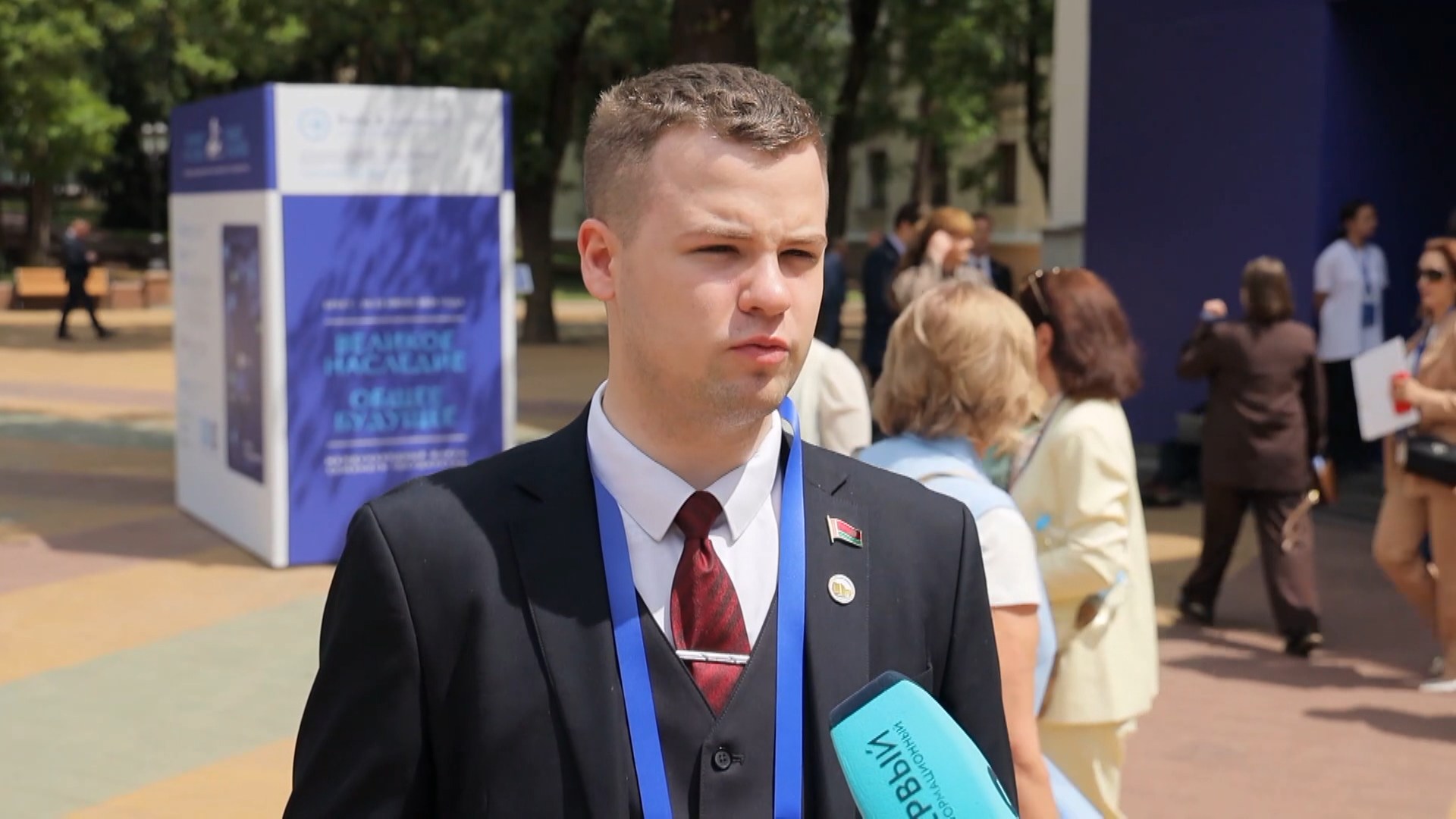
This is the voice of the youth of the Union State, including on the international stage. What else can we discuss at a large-scale patriotic forum? Well, of course, about the great heritage of the two countries. Belarusians and Russians are fraternal peoples. They share a common history, roots, and deep spiritual and cultural ties. And importantly, the people of both countries not only preserve their shared historical heritage but also stand united against the falsification of their shared history.
Igor Sergeyenko, Chairman of the House of Representatives of the National Assembly of Belarus:
"The engaged dialogue between parliamentarians, public figures, academics, researchers, representatives of the teaching community, and opinion leaders from various countries confirmed that the format for communication on the protection of historical memory, proposed two years ago by the Parliamentary Assembly of the Union of Belarus and Russia, is in demand. A unique exchange of opinions and experiences took place. It is important for us that the peaceful, unifying agenda promoted by the presidents of Belarus and Russia, as well as the initiatives of the Union State parliamentarians, is supported by friendly states."
news.byhttps://s3-minsk.becloud.by/media-assets/news-by/397dad7e-20b5-4041-b0a5-92874adcd346/conversions/7eba5521-0aa7-4006-b581-74b52977d2d0-sm-___webp_480.webp 480w, https://s3-minsk.becloud.by/media-assets/news-by/397dad7e-20b5-4041-b0a5-92874adcd346/conversions/7eba5521-0aa7-4006-b581-74b52977d2d0-md-___webp_768.webp 768w, https://s3-minsk.becloud.by/media-assets/news-by/397dad7e-20b5-4041-b0a5-92874adcd346/conversions/7eba5521-0aa7-4006-b581-74b52977d2d0-lg-___webp_1280.webp 1280w, https://s3-minsk.becloud.by/media-assets/news-by/397dad7e-20b5-4041-b0a5-92874adcd346/conversions/7eba5521-0aa7-4006-b581-74b52977d2d0-xl-___webp_1920.webp 1920w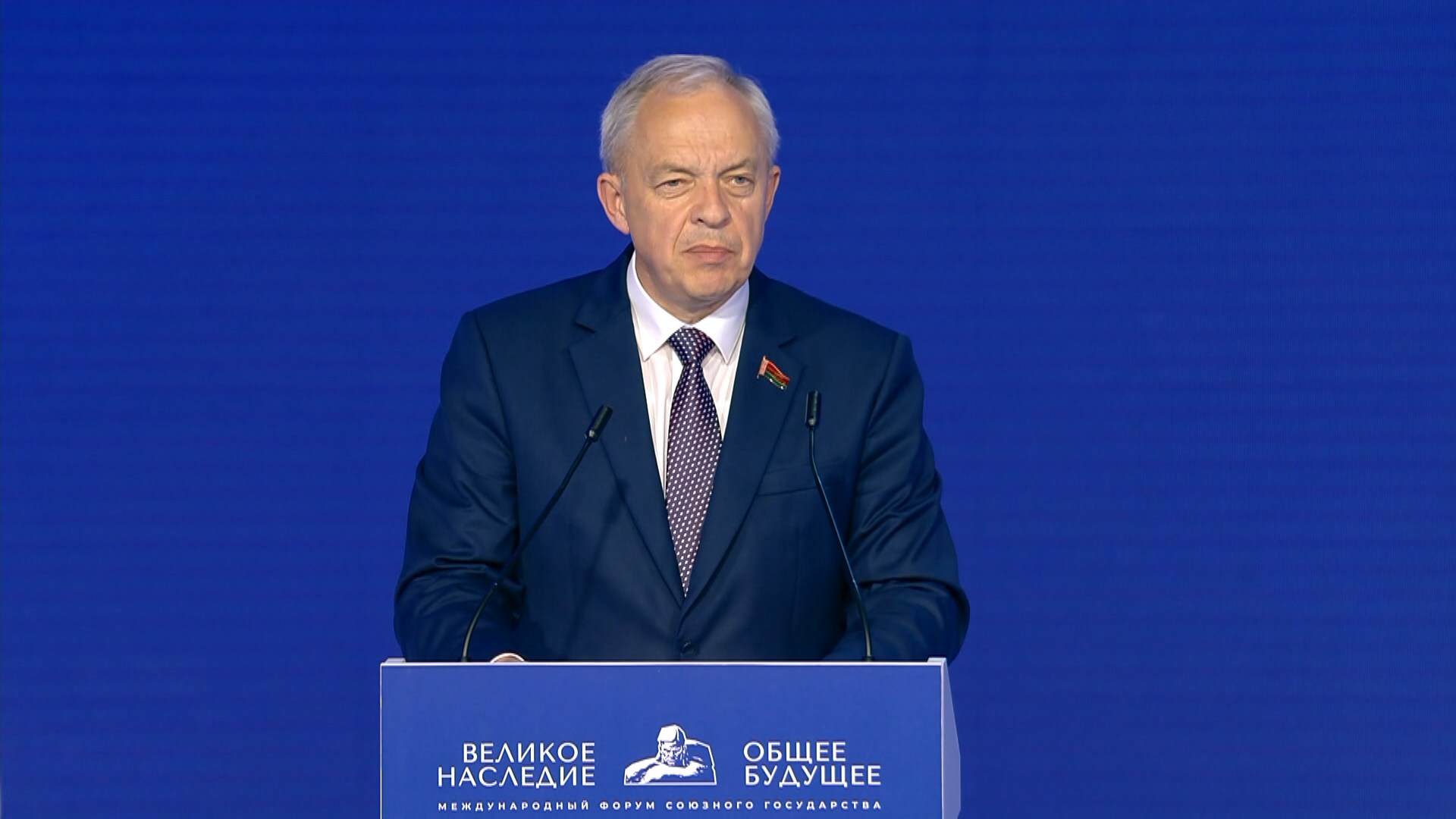
Vyacheslav Volodin, Chairman of the State Duma of Russia:
"Our forum is called upon to protect memory. If it is taken from us, if the heroism of those who stood firm at Brest and won at Stalingrad is erased, we will have no history. And without history, we will not have the states we represent. We must not only be well aware of this, but also do everything we can to prevent it. Eternal memory to those who perished. We must do everything we can to pass it on to future generations. This is, among other things, the mission of the forum."
news.byhttps://s3-minsk.becloud.by/media-assets/news-by/9eee73b4-20ae-4707-8696-688140137b74/conversions/2ccd1530-44e3-4458-a829-84ece45edbe4-sm-___webp_480.webp 480w, https://s3-minsk.becloud.by/media-assets/news-by/9eee73b4-20ae-4707-8696-688140137b74/conversions/2ccd1530-44e3-4458-a829-84ece45edbe4-md-___webp_768.webp 768w, https://s3-minsk.becloud.by/media-assets/news-by/9eee73b4-20ae-4707-8696-688140137b74/conversions/2ccd1530-44e3-4458-a829-84ece45edbe4-lg-___webp_1280.webp 1280w, https://s3-minsk.becloud.by/media-assets/news-by/9eee73b4-20ae-4707-8696-688140137b74/conversions/2ccd1530-44e3-4458-a829-84ece45edbe4-xl-___webp_1920.webp 1920w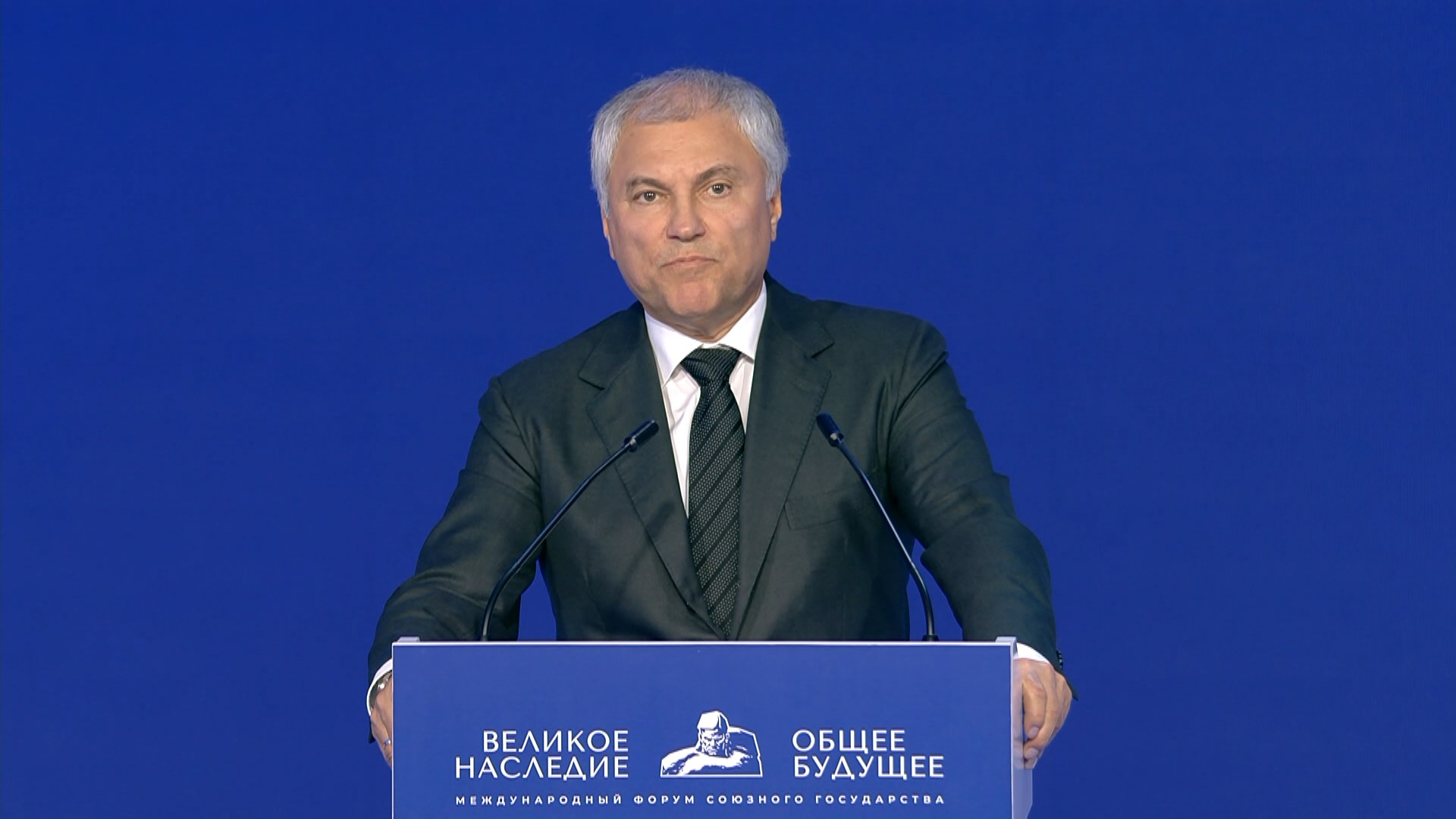
Attempts to rewrite history are the first step toward the revival of radical ideas. And if we forget the price at which the Great Victory was forged and what we have was created, then we will lose our bearings.
"Our forum is also, to a certain extent, a systemic contribution to this work, to ensuring the national security of our state and maintaining peace on our soil. Today, this is a response to all those who call us to war, who push us towards war. This will not happen. We respect and value our history. We understand where we need to go, what we need to do today, based on international experience, to maintain this progressive, peaceful Belarusian path of development, of which we are proud. Our task is to maintain this path, based on continuity, on respect for our ancestors, and the heroism of the heroes of the Great Patriotic War, who are present in every Belarusian family," stated Ulyana Kolobaeva, head of the National Archives of Belarus.
news.byhttps://s3-minsk.becloud.by/media-assets/news-by/fafef9ed-ad7e-4612-a909-4d6ff53d30b1/conversions/8d42c566-3541-49e5-a5ea-22a1fc950d6a-sm-___webp_480.webp 480w, https://s3-minsk.becloud.by/media-assets/news-by/fafef9ed-ad7e-4612-a909-4d6ff53d30b1/conversions/8d42c566-3541-49e5-a5ea-22a1fc950d6a-md-___webp_768.webp 768w, https://s3-minsk.becloud.by/media-assets/news-by/fafef9ed-ad7e-4612-a909-4d6ff53d30b1/conversions/8d42c566-3541-49e5-a5ea-22a1fc950d6a-lg-___webp_1280.webp 1280w, https://s3-minsk.becloud.by/media-assets/news-by/fafef9ed-ad7e-4612-a909-4d6ff53d30b1/conversions/8d42c566-3541-49e5-a5ea-22a1fc950d6a-xl-___webp_1920.webp 1920w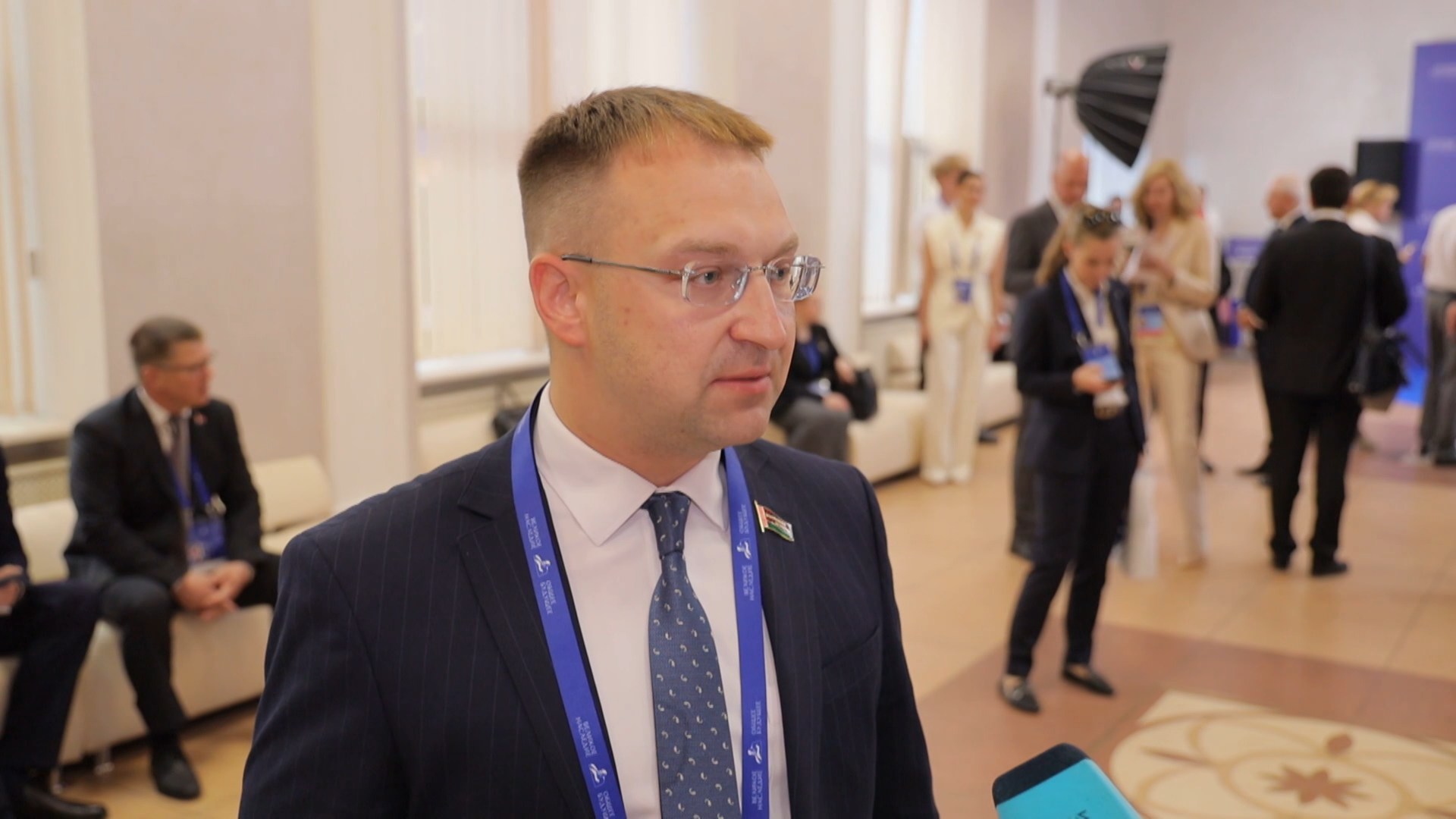
"The Republic of Belarus has adopted a law on the genocide of the Belarusian people. In the Russian Federation, it's called something else, but a corresponding law has been passed with the same meaning. And our legislative acts are aimed precisely at preserving the memory of the Great Patriotic War and passing it on to future generations. It couldn't be otherwise, because we all participated in the referendum on updating the Constitution, and we all know that it enshrines a directly applicable norm requiring all generations to preserve this memory," noted Yan Ostrozhinsky, First Deputy Chairman of the Youth Chamber at the Parliamentary Assembly of the Union of Belarus and Russia.
news.byhttps://s3-minsk.becloud.by/media-assets/news-by/f8f9c649-b944-4eaa-be90-7d4c42bca01a/conversions/f7069c21-bdfc-4390-9241-e0b7d8181ff8-sm-___webp_480.webp 480w, https://s3-minsk.becloud.by/media-assets/news-by/f8f9c649-b944-4eaa-be90-7d4c42bca01a/conversions/f7069c21-bdfc-4390-9241-e0b7d8181ff8-md-___webp_768.webp 768w, https://s3-minsk.becloud.by/media-assets/news-by/f8f9c649-b944-4eaa-be90-7d4c42bca01a/conversions/f7069c21-bdfc-4390-9241-e0b7d8181ff8-lg-___webp_1280.webp 1280w, https://s3-minsk.becloud.by/media-assets/news-by/f8f9c649-b944-4eaa-be90-7d4c42bca01a/conversions/f7069c21-bdfc-4390-9241-e0b7d8181ff8-xl-___webp_1920.webp 1920w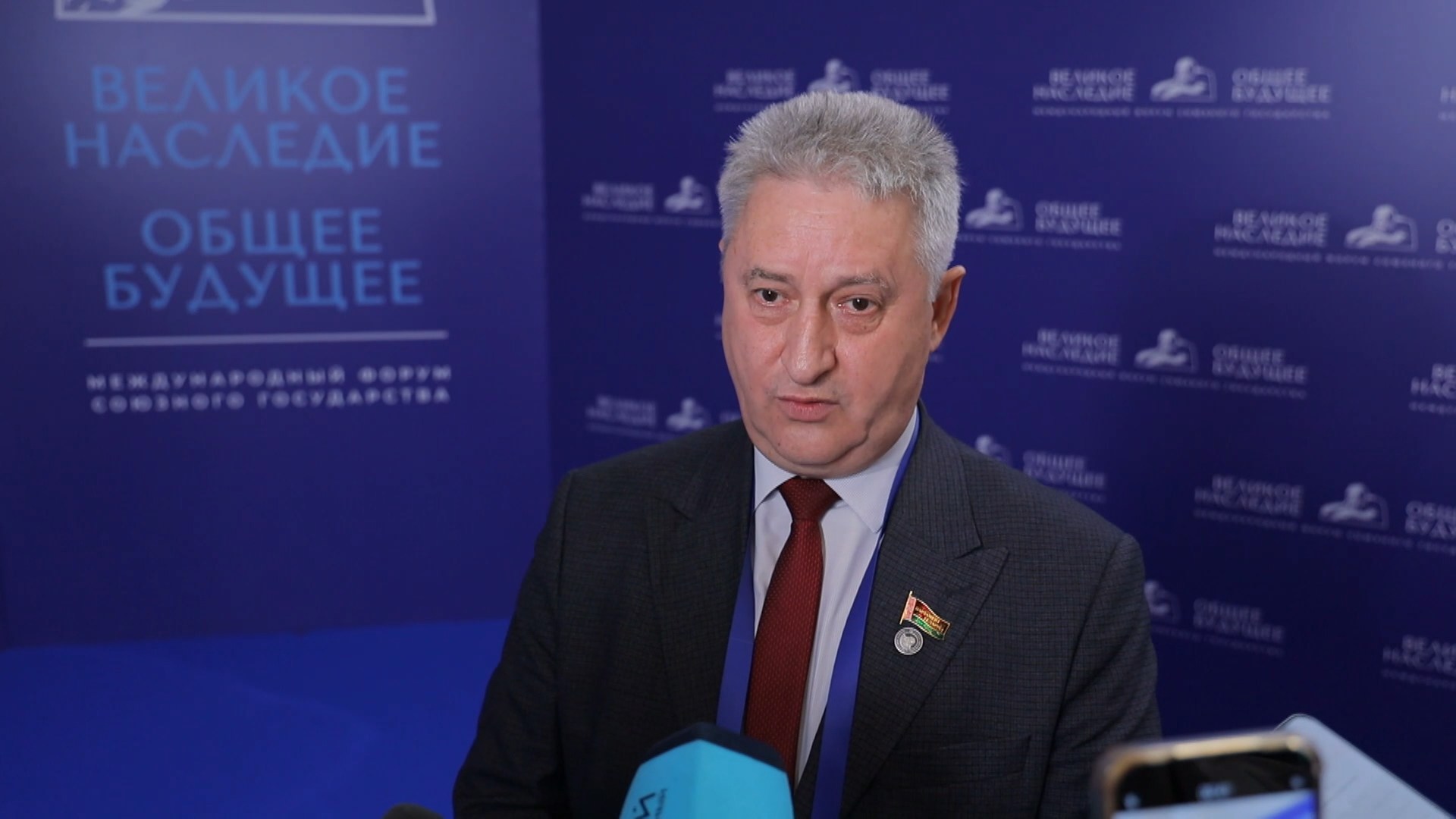
Countering neo-Nazism, which today poses a direct threat to the world order, is one of the central themes of the three-day international forum.